


What is the material ASME SB111?
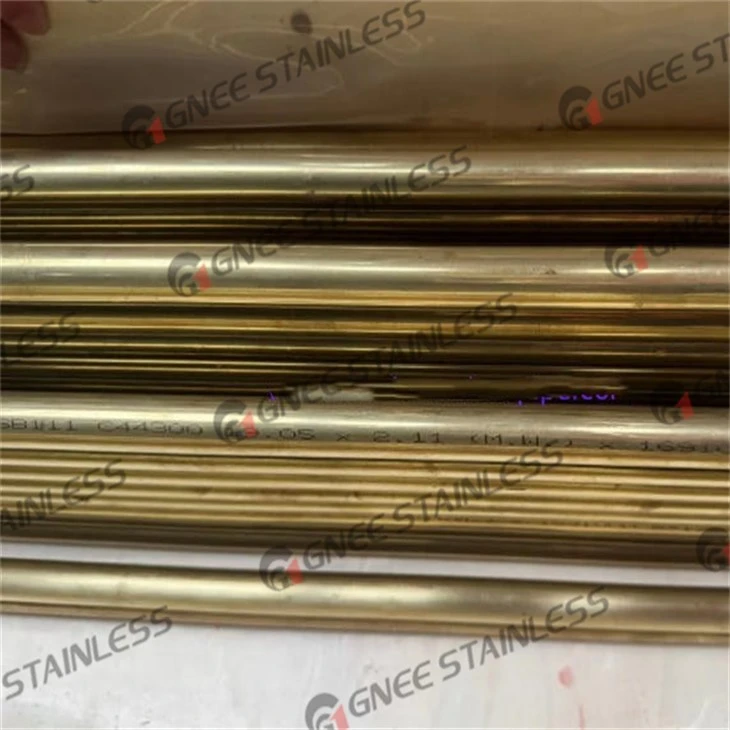
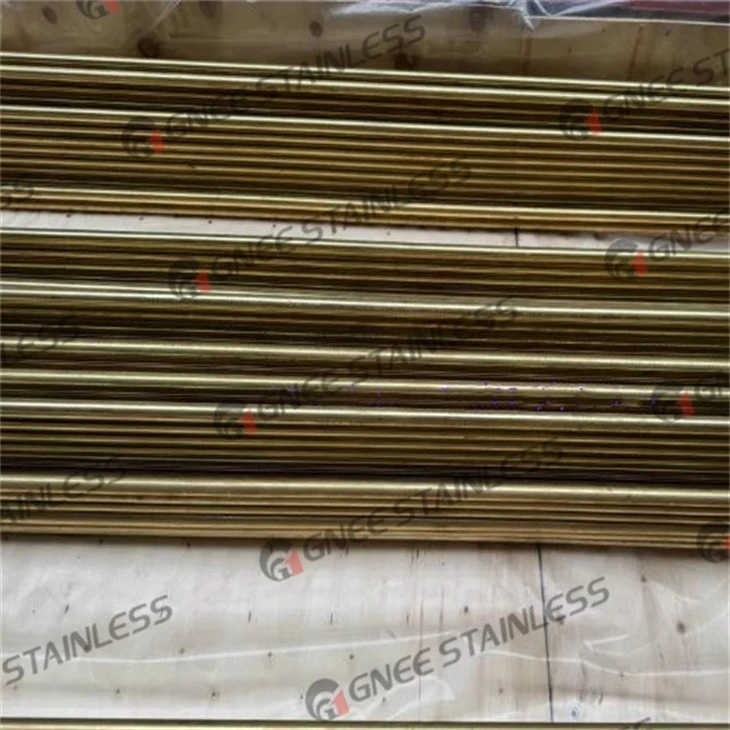
ASME SB-111 is the standard specification for seamless copper and copper-alloy condenser tubes and ferrule stock, characterized by high thermal conductivity and corrosion resistance. It is primarily used for heat exchangers, evaporators, and surface condensers in power plants, oil refineries, and marine engineering applications.
C44300 U-Bend Tube Manufacturer
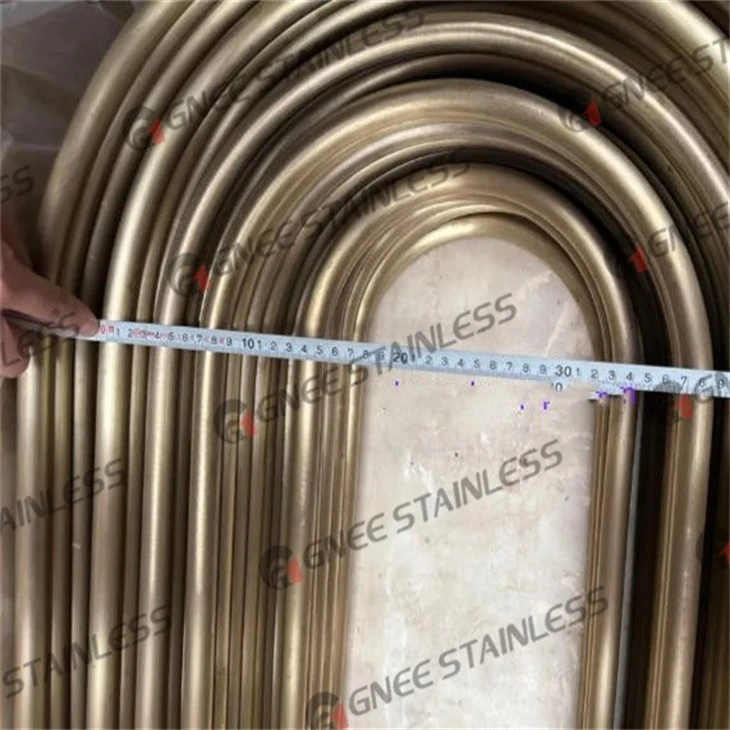
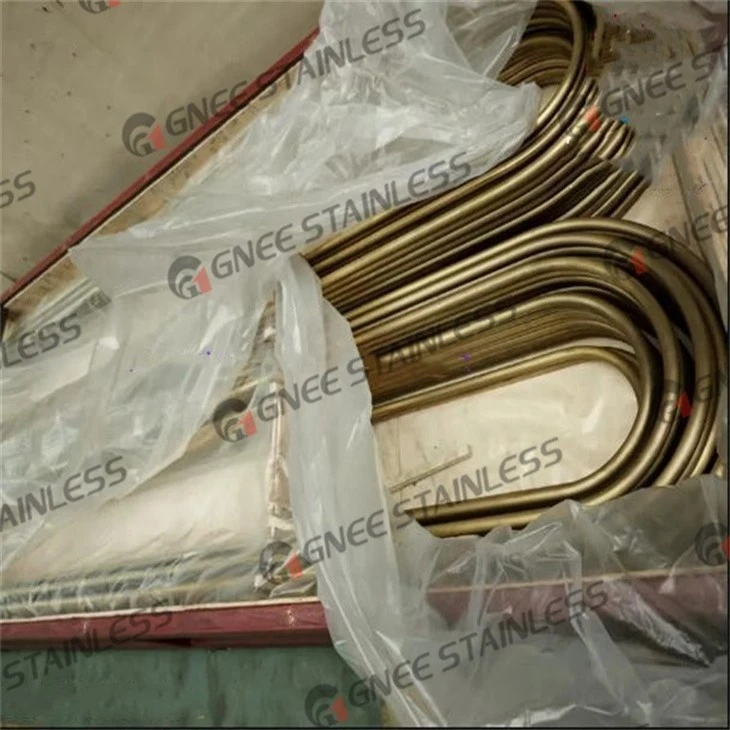
GNEE has over 18 years of export experience combined with advanced pipe manufacturing and precision U-bend processing technologies. We provide high-quality ASME SB111 C44300 U-bend copper alloy tubes for heat exchanger projects worldwide. Our products are exported to more than 80 countries-including South Korea, Saudi Arabia, the UAE, Qatar, India, Singapore, Indonesia, Vietnam, Brazil, South Africa, and Europe-serving the power generation, petrochemical, shipbuilding, marine engineering, and HVAC industries.
Our ASME SB111 C44300 U-bend copper alloy heat exchanger tubes are made from UNS C44300 Admiralty Brass (CuZn28Sn1). This copper-zinc-tin alloy contains approximately 70%–73% copper and 0.9%–1.2% tin, with a minor addition of arsenic to enhance its resistance to dezincification. They are specifically engineered for shell-and-tube heat exchangers, condensers, evaporators, and marine cooling systems handling fresh water, brackish water, or seawater.
During the U-bending process of C44300 tubes, significant residual stress is generated in the bent area. If left untreated, these stresses can degrade the material's corrosion resistance and fatigue performance. Therefore, stress-relief annealing is applied to the bend portion and the adjacent straight sections (extending at least 150 mm from each tangent point). This treatment minimizes the risk of stress corrosion cracking (SCC) and ensures reliable, long-term performance under thermal and pressure cycling conditions.
Compared to standard brass tubes, C44300 features a thermal conductivity of 109 W/m·K (20°C), delivering a 45% increase in heat transfer efficiency over stainless steel. While ensuring high heat transfer performance, it also exhibits exceptional resistance to pitting, erosion, and dezincification in polluted cooling water, making it the preferred material for power plants, refineries, desalination facilities, offshore platforms, and the chemical industry.


