Can stainless steel rods be used in food processing equipment?
Leave a message

Can stainless steel rods be used in food processing equipment? That's a question I get asked a lot, being a supplier of Stainless Steel Rods. And the short answer is yes, they can! In fact, stainless steel rods are a top - choice material for food processing equipment, and I'll tell you why.
First off, let's talk about what makes stainless steel so great. Stainless steel is an alloy mainly composed of iron, with a significant amount of chromium. The chromium forms a thin, invisible layer of chromium oxide on the surface of the steel. This layer is self - healing, which means that if it gets scratched, it reforms quickly in the presence of oxygen. This property is crucial as it prevents corrosion. In the food processing industry, equipment is constantly exposed to moisture, various food products (some of which can be acidic or alkaline), and cleaning agents. Corrosion can lead to contamination of the food, which is a huge no - no.
Another super important aspect is that stainless steel is non - toxic. Food is something we put into our bodies, so we need to make sure that the equipment used to process it doesn't leach any harmful substances into the food. Stainless steel is extremely stable and doesn't react with most food products. Whether it's dairy, fruits, vegetables, or meat, stainless steel won't impart any off - flavors or chemicals to the food.
Hygiene is also a top priority in food processing. Stainless steel has a smooth surface, which makes it easy to clean. Bacteria and other microorganisms have a hard time adhering to its surface. You can use common cleaning agents and sanitizers to keep the equipment sparkling clean, and the stainless steel rods used in the equipment can withstand these cleaning processes without getting damaged.
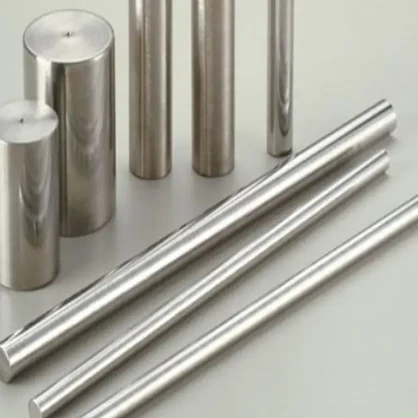

Now, let's get into some of the specific types of stainless steel rods that work well in food processing equipment. One of them is the SUS 405 Stainless Round Bar. This type of stainless steel has a relatively low carbon content and good corrosion resistance. It's also magnetic, which can be useful in some food processing applications where magnetic properties are utilized for separation or other functions.
The SUS 321H Stainless Steel Rod is another great option. It contains titanium, which helps to prevent intergranular corrosion. In food processing where the equipment might be exposed to high temperatures during processes like pasteurization, this type of stainless steel can maintain its integrity and performance.
If you're looking for something with high hardness and wear resistance, the SUS 440A Stainless Steel Rod is worth considering. In food processing, there are often parts of the equipment that experience a lot of friction, such as cutting blades or conveyor rollers. This type of stainless steel can withstand that wear and tear, ensuring a longer lifespan for the equipment.
The 202 Stainless Steel Round Bar is also a popular choice. It's a more economical option while still providing decent corrosion resistance and formability. For smaller food processing operations or parts that don't require the highest - end stainless steel, 202 SS round bars can be a cost - effective solution.
And of course, our general Stainless Steel Round Bar comes in a wide range of sizes and finishes to fit different food processing equipment needs. Whether you need a small - diameter rod for intricate parts or a large one for structural support, we've got you covered.
When it comes to fabricating food processing equipment with stainless steel rods, it's highly versatile. You can cut, bend, and weld these rods relatively easily. This means that you can create all sorts of shapes and structures for the equipment, from simple frames to complex conveyor systems.
However, it's not all just rainbows and sunshine. There are a few things to keep in mind when using stainless steel rods in food processing. The first is that you need to choose the right grade of stainless steel for the specific application. For example, if the food product is highly acidic, you might need a grade with better acid resistance.
Also, proper installation is crucial. If the rods are not installed correctly, there could be gaps or crevices where bacteria can accumulate. And regular maintenance is a must. Even though stainless steel is durable and easy to clean, you still need to keep an eye on it to make sure it's in good condition.
In conclusion, stainless steel rods are an excellent choice for food processing equipment. They offer corrosion resistance, non - toxicity, good hygiene, and versatility. Whether you're a small - scale food producer or a large - scale industrial operation, stainless steel rods can meet your needs.
If you're in the market for high - quality stainless steel rods for your food processing equipment, don't hesitate to reach out. We're here to help you find the right product for your specific requirements. Let's start a conversation about how we can supply you with the best stainless steel rods for your food processing needs.
References
- "Stainless Steel in the Food Industry" - A technical guide on the use of stainless steel in food processing.
- "Materials for Food Processing Equipment" - A research paper discussing the properties and suitability of different materials in food processing.