How to choose the right stainless steel I beam for a project?
Leave a message

When embarking on a construction or engineering project that requires structural support, selecting the right stainless steel I beam is crucial. As a trusted stainless steel I beam supplier, I understand the challenges and considerations that come with this decision. In this blog post, I'll guide you through the essential factors to consider when choosing the perfect stainless steel I beam for your project.


Understanding Stainless Steel I Beams
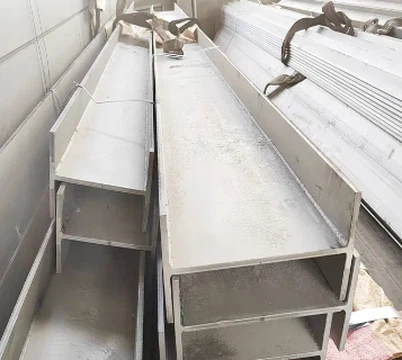
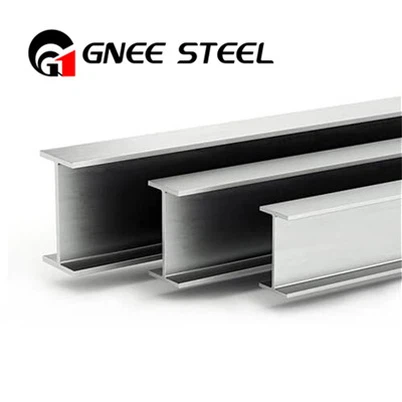
Stainless steel I beams are structural elements with an "I" cross-sectional shape. They are known for their high strength-to-weight ratio, corrosion resistance, and versatility, making them suitable for a wide range of applications, from building construction to industrial machinery. The unique shape of the I beam distributes stress efficiently, allowing it to support heavy loads while minimizing material usage.
Factors to Consider When Choosing a Stainless Steel I Beam
1. Grade of Stainless Steel
The grade of stainless steel is one of the most important factors to consider. Different grades offer varying levels of corrosion resistance, strength, and heat resistance. Here are some common grades and their applications:
- Austenitic EN 1.4571 Stainless Steel I Beam: This grade is known for its excellent corrosion resistance, especially in environments containing chlorides. It also has good formability and weldability, making it suitable for a wide range of applications, including marine structures, chemical processing plants, and food processing equipment. Austenitic EN 1.4571 Stainless Steel I Beam
- 440 Stainless Steel I-Beam: 440 stainless steel is a martensitic grade that offers high hardness and wear resistance. It is commonly used in applications where strength and durability are required, such as bearings, cutlery, and medical instruments. 440 Stainless Steel I-Beam
- 310 Stainless Steel I-Beam: This grade is designed for high-temperature applications. It has excellent oxidation resistance and can withstand temperatures up to 1150°C. It is commonly used in furnace parts, heat exchangers, and industrial ovens. 310 Stainless Steel I-Beam
2. Load Requirements
The load requirements of your project will determine the size and strength of the I beam you need. Consider both the static and dynamic loads that the beam will be subjected to. Static loads include the weight of the structure itself, while dynamic loads can include wind, seismic activity, and moving equipment. You can calculate the load requirements using engineering formulas or consult with a structural engineer to ensure that you choose an I beam with the appropriate load-bearing capacity.
3. Size and Dimensions
The size and dimensions of the I beam are also important considerations. The height, width, and thickness of the flanges and web will affect the beam's strength and stiffness. You need to choose an I beam that is large enough to support the loads but not so large that it is overkill and adds unnecessary cost to your project. Standard sizes are available, but if your project requires a custom size, make sure to discuss your requirements with your supplier.
4. Corrosion Resistance
The environment in which the I beam will be used will determine the level of corrosion resistance required. If the beam will be exposed to moisture, chemicals, or saltwater, you need to choose a grade of stainless steel that offers excellent corrosion resistance. Austenitic stainless steels, such as EN 1.4571, are often a good choice for corrosive environments.
5. Weldability and Fabrication
If you need to weld or fabricate the I beam, you need to consider its weldability and fabrication properties. Some grades of stainless steel are easier to weld than others, and certain fabrication processes may require specific grades. Make sure to consult with your supplier or a welding expert to ensure that the chosen grade is suitable for your welding and fabrication needs.
6. Cost
Cost is always a factor in any project. While stainless steel I beams may be more expensive than other materials, such as carbon steel, they offer long-term savings due to their durability and corrosion resistance. Compare the prices of different grades and sizes, and consider the total cost of ownership, including installation, maintenance, and replacement costs.
Additional Considerations
1. Quality and Certification
When choosing a stainless steel I beam, it is important to ensure that it meets the required quality standards. Look for beams that are certified by recognized organizations, such as ASTM or EN. Certification ensures that the beam has been tested and meets the specified mechanical and chemical properties.
2. Supplier Reputation
Choose a supplier with a good reputation in the industry. A reliable supplier will offer high-quality products, competitive prices, and excellent customer service. Look for suppliers who have been in business for a long time and have a track record of delivering on their promises.
3. Delivery Time
Consider the delivery time when choosing a supplier. Make sure that the supplier can deliver the I beams to your project site on time. Delays in delivery can cause project delays and additional costs.
Conclusion
Choosing the right stainless steel I beam for your project requires careful consideration of several factors, including the grade of stainless steel, load requirements, size and dimensions, corrosion resistance, weldability, and cost. By taking the time to evaluate these factors and working with a reputable supplier, you can ensure that you select an I beam that meets the specific needs of your project.
If you have any questions or need assistance in choosing the right stainless steel I beam for your project, please don't hesitate to contact us. Our team of experts is here to help you make the best decision for your project. We look forward to working with you to meet your stainless steel I beam needs.
References
- ASCE. (2017). Minimum Design Loads and Associated Criteria for Buildings and Other Structures.
- ASTM International. (2021). Standards for Stainless Steel Products.
- EN Standards. (2021). European Standards for Structural Steel.