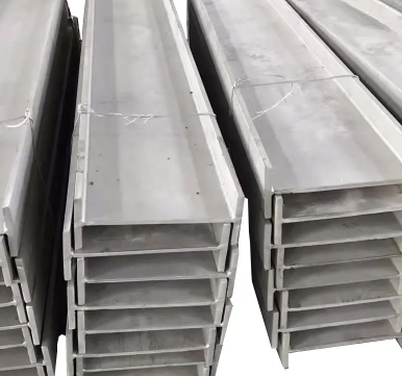
316ti Stainless Steel Sheet for Food Industry
Leave a message
Why 316Ti Stainless Steel Sheet is Ideal for the Food Industry
When it comes to hygiene, corrosion resistance, and durability, material selection in the food processing industry is critical. 316Ti stainless steel sheet, a titanium-stabilized version of 316 stainless steel, offers superior performance in food-grade applications where high temperatures, aggressive cleaning agents, or acidic environments are present.
In this article, we explore why 316Ti stainless steel sheet is a preferred choice for the food industry, especially in operations that demand long-term stability and compliance with hygiene regulations.
What is 316Ti Stainless Steel?
316Ti stainless steel (EN 1.4571 / UNS S31635) is an austenitic stainless steel alloy containing:
16.5–18.5% Chromium (Cr)
10.5–13.5% Nickel (Ni)
2.0–2.5% Molybdenum (Mo)
Titanium (Ti): ≥ 5×C (minimum)
The addition of titanium improves resistance to intergranular corrosion, particularly after welding or long-term exposure to elevated temperatures (up to 600–650°C). This makes 316Ti a high-performance option for demanding food processing environments.
Why Use 316Ti Stainless Steel Sheet in the Food Industry?
✅ 1. Excellent Corrosion Resistance
316Ti exhibits outstanding resistance to:
Acidic foods (e.g., tomato, vinegar, citrus)
Chloride-rich environments (e.g., salty brine or seafood processing)
Cleaning chemicals and steam sterilization
This ensures a long-lasting, rust-free surface essential for food hygiene and product safety.
✅ 2. High-Temperature Stability
Food processing often involves cooking, sterilizing, or CIP (Clean-In-Place) systems operating above 400°C.
316Ti resists sensitization and carbide precipitation, maintaining structural and corrosion integrity even under heat stress.
✅ 3. Food-Safe and Non-Reactive
316Ti is non-toxic, non-leaching, and biologically inert-compliant with FDA and EU food-contact material standards. It does not alter the taste, color, or smell of food.
✅ 4. Weldability and Fabrication
Titanium stabilization improves weldability by reducing the risk of weld decay (corrosion near weld joints), a common issue in large stainless steel food tanks, mixing vessels, and piping systems.
Typical Applications in the Food Sector
Dairy equipment (pasteurizers, tanks, evaporators)
Brewing and beverage machinery
Food-grade storage and transport containers
Meat and seafood processing lines
Acidic condiment production (mustard, vinegar, sauces)
High-temperature ovens and steam chambers
Stainless Steel Sheet 316Ti vs 316L SS in Food Industry
| Property | 316Ti Stainless Steel | 316L Stainless Steel |
|---|---|---|
| Stabilizing Element | Titanium (Ti) | Low Carbon (≤ 0.03%) |
| Intergranular Corrosion | Superior (after welding or heating) | Good (may sensitize if not properly processed) |
| High-Temperature Use | Better | Limited |
| Cost | Slightly Higher | Lower |
For general food equipment, 316L may suffice. But in high-temperature or acidic environments, 316Ti is the more durable and hygienic option.
If you're designing or sourcing materials for food-grade tanks, processing equipment, or high-temperature applications, 316Ti stainless steel sheet provides a safe, long-lasting, and compliant solution. Its resistance to corrosion, heat, and chemical cleaning make it a top-tier material for the modern food industry.

Need Food-Grade 316Ti Stainless Steel Sheet?
GNEE supplies high-quality 316Ti stainless steel sheets with mill test certificates (MTC), food-grade surface finishes (2B, BA, No.4), and global shipping.
📞 Contact our team for expert advice, competitive pricing, and fast delivery.