


ASME B36.19M and ASME B36.10M: An Overview
Leave a message
ASME B36.19M and ASME B36.10M: An Overview
When purchasing stainless steel or carbon steel pipes for industrial piping systems, understanding ASME B36.19M and ASME B36.10M is essential for selecting the correct outside diameter (OD), wall thickness, and pipe schedule. Although these two standards use the same Nominal Pipe Size (NPS) system, they cover different pipe dimensional specifications.
ASME B36.19M primarily covers welded and seamless stainless steel pipe, while ASME B36.10M covers welded and seamless wrought steel pipe, including carbon steel and other alloy steel applications. Choosing the wrong dimensional standard can result in incorrect wall thickness, unexpected material costs, flow restrictions, and installation problems.
This guide explains their differences, schedule designations, dimensional requirements, and key considerations for international pipe procurement.
Click to download ASME B36.19M and ASME B36.10M Pipe.PDF

What Is ASME B36.19M?
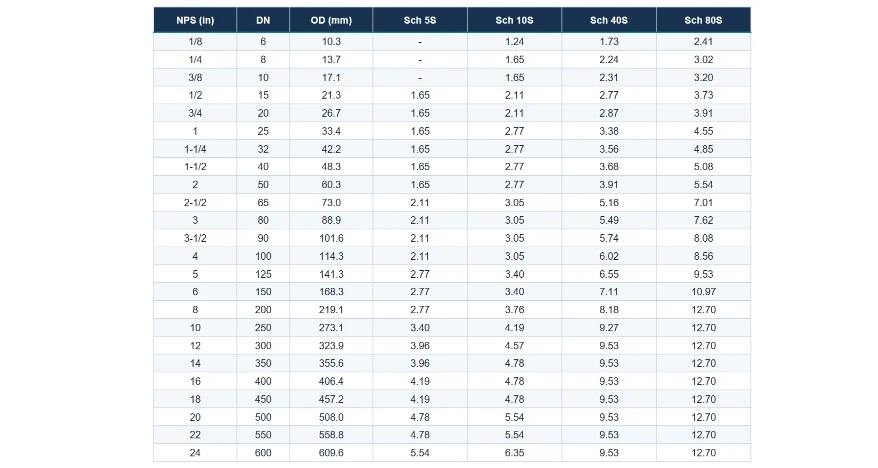
ASME B36.19M is the dimensional standard for welded and seamless wrought stainless steel pipe used in high- or low-temperature and pressure applications. It specifies nominal pipe sizes, outside diameters, wall thicknesses, and nominal pipe weights.
Common stainless steel grades supplied to relevant product specifications include TP304, TP304L, TP316, TP316L, TP321, and TP310S.
Typical schedule designations include:
Schedule 5S
Schedule 10S
Schedule 40S
Schedule 80S
The letter "S" distinguishes the stainless steel pipe schedule series from the corresponding schedule designations in ASME B36.10M.
For example, ASTM A312 TP316L seamless pipe ordered as NPS 2, Schedule 40S should follow the applicable dimensional requirements of ASME B36.19M.
What Is ASME B36.10M?
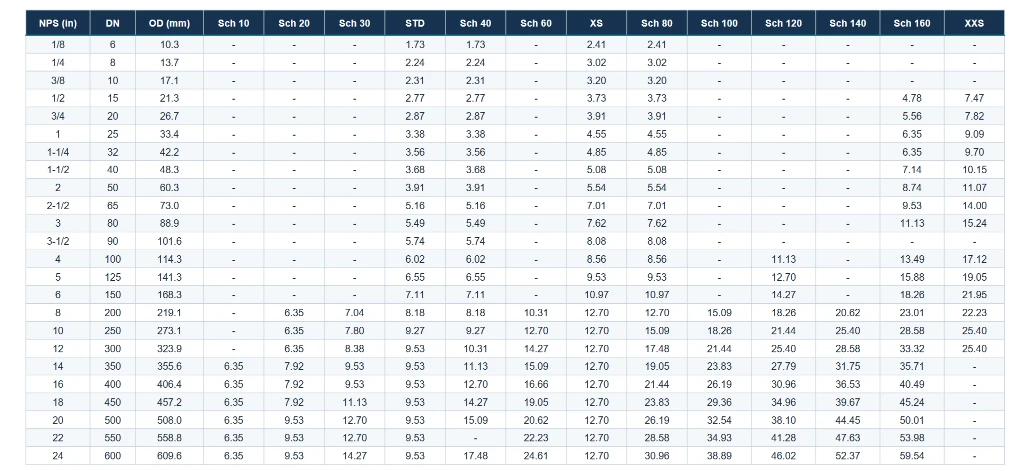
ASME B36.10M specifies dimensions for welded and seamless wrought steel pipe, including outside diameter, wall thickness, and nominal weight per unit length.
It is widely used for carbon steel and alloy steel piping in oil and gas, petrochemical, power generation, water treatment, and industrial process systems.
Common schedule designations include:
Schedule 10
Schedule 20
Schedule 40
Schedule 80
Schedule 120
Schedule 160
Schedule XXS
For example, ASTM A106 Grade B seamless carbon steel pipe and ASTM A53 welded steel pipe are commonly ordered using dimensions referenced to ASME B36.10M, subject to their respective product specifications.
ASME B36.19M vs ASME B36.10M: Key Differences
| Comparison Item | ASME B36.19M | ASME B36.10M |
|---|---|---|
| Standard Name | Stainless Steel Pipe | Welded and Seamless Wrought Steel Pipe |
| Main Application | Stainless steel piping | Carbon steel and alloy steel piping |
| Pipe Manufacturing | Welded and seamless | Welded and seamless |
| Nominal Pipe Size | NPS 1/8–24 and larger listed sizes | NPS 1/8–80 and other listed sizes |
| Common Schedules | 5S, 10S, 40S, 80S | 10, 20, 30, 40, 60, 80, 120, 160, XXS |
| Schedule Suffix | Uses the "S" suffix | Generally uses schedules without "S" |
| Dimensional Parameters | OD, wall thickness, nominal weight | OD, wall thickness, nominal weight |
| Typical Materials | TP304, TP316L, TP321, TP310S | ASTM A106 Gr.B, ASTM A53, alloy steel grades |
Important: These standards are not interchangeable in every pipe size and schedule. Some dimensions are identical, while others differ. Always verify the exact NPS and schedule in the applicable dimensional standard before placing an order.
What Is the Difference Between Schedule 40 and Schedule 40S?
Schedule 40 and Schedule 40S are common sources of confusion during stainless steel pipe procurement,Schedule 40 generally refers to the wall thickness series in ASME B36.10M, whereas Schedule 40S belongs to ASME B36.19M. For many pipe sizes, their wall thicknesses are identical. However, there are important exceptions, particularly for larger diameters.
| NPS | Outside Diameter (mm) | Schedule 40 (mm) | Schedule 40S (mm) |
|---|---|---|---|
| 1" | 33.40 | 3.38 | 3.38 |
| 2" | 60.33 | 3.91 | 3.91 |
| 4" | 114.30 | 6.02 | 6.02 |
| 6" | 168.28 | 7.11 | 7.11 |
| 8" | 219.08 | 8.18 | 8.18 |
| 12" | 323.85 | 10.31 | 9.53 |
| 14" | 355.60 | 11.13 | 9.53 |
| 16" | 406.40 | 12.70 | 9.53 |
The table illustrates why buyers should not assume that Schedule 40 and Schedule 40S always have the same wall thickness.
For example, NPS 16 Schedule 40 has a nominal wall thickness of 12.70 mm, while Schedule 40S has a nominal wall thickness of 9.53 mm. Ordering the wrong schedule can create a significant difference in pipe weight, internal diameter, and material cost.
How to Select the Correct Pipe Schedule?
Selecting a pipe schedule involves more than matching the nominal pipe size. Buyers should consider the following factors:
1. Design Pressure
Higher design pressure generally requires greater pressure-design wall thickness. The final selection must follow the applicable piping design code, such as ASME B31.3 for process piping.
2. Operating Temperature
Allowable material stress changes with temperature. High-temperature applications require the corresponding allowable stress and design factors to be considered.
3. Pipe Material
Stainless steel, carbon steel, and alloy steel have different mechanical and corrosion properties. Material selection should follow the applicable ASTM or ASME material specification.
4. Corrosion Allowance
For corrosive services, the engineering design may include additional wall thickness to compensate for expected material loss during operation.
5. Flow Requirements
Increasing wall thickness reduces the internal diameter and available flow area. Buyers should consider pressure drop, flow velocity, and pumping requirements.
6. Connection and Installation Requirements
The selected pipe dimensions must be compatible with flanges, fittings, valves, and other piping components. Confirm the applicable dimensional standards before procurement.
How Do Pipe Dimensions Affect Procurement Costs?
Pipe wall thickness directly affects material consumption and theoretical weight. For pipes with the same outside diameter and material density, a thicker wall generally results in higher weight per meter and higher material costs.
The theoretical weight of a carbon or stainless steel pipe can be estimated using:
Weight (kg/m) = 0.0246615 × (OD − WT) × WT × Density Factor
Where:
OD = Outside diameter (mm)
WT = Nominal wall thickness (mm)
Density Factor = Material density relative to 7,850 kg/m³
For stainless steel 316, the density factor is approximately 1.02.
For example, when comparing NPS 4 Schedule 10S and Schedule 40S stainless steel pipes, both have an outside diameter of 114.30 mm, but their nominal wall thicknesses are 3.05 mm and 6.02 mm, respectively.
This difference directly affects theoretical weight, material cost, internal diameter, and available flow area.
For large-volume orders, selecting the correct schedule can help avoid unnecessary material costs while maintaining the required design conditions.
Which Standard Should You Specify When Purchasing Stainless Steel Pipe?
For stainless steel pipe procurement, ASME B36.19M is generally the appropriate dimensional reference. However, the material specification and dimensional standard should be stated separately.
| Procurement Requirement | Recommended Specification |
|---|---|
| Stainless Steel Seamless Pipe | ASTM A312 TP304/TP316L + ASME B36.19M |
| Stainless Steel Welded Pipe | ASTM A312 TP304L/TP316L + ASME B36.19M |
| Stainless Steel Heat Exchanger Tube | ASTM A213 or ASTM A269, as applicable |
| Carbon Steel Seamless Pipe | ASTM A106 Gr.B + ASME B36.10M |
| Carbon Steel Welded Pipe | ASTM A53 + ASME B36.10M |
GNEE Stainless Steel Pipe Supply and Quality Control
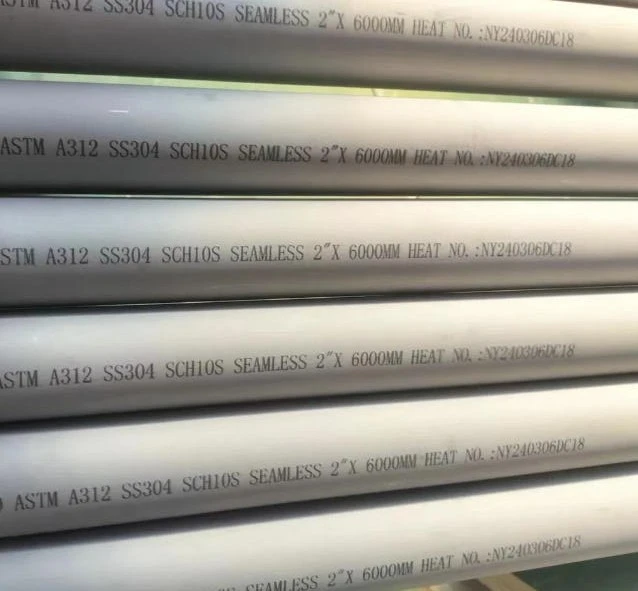
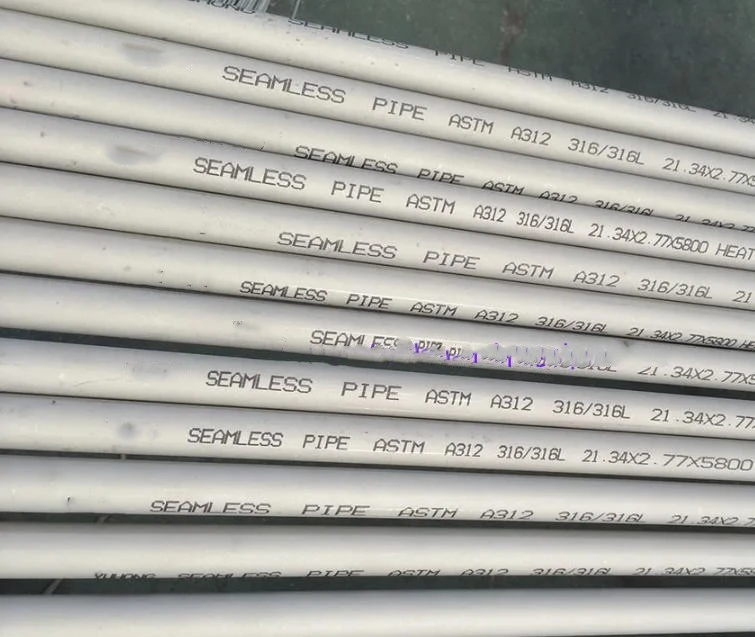
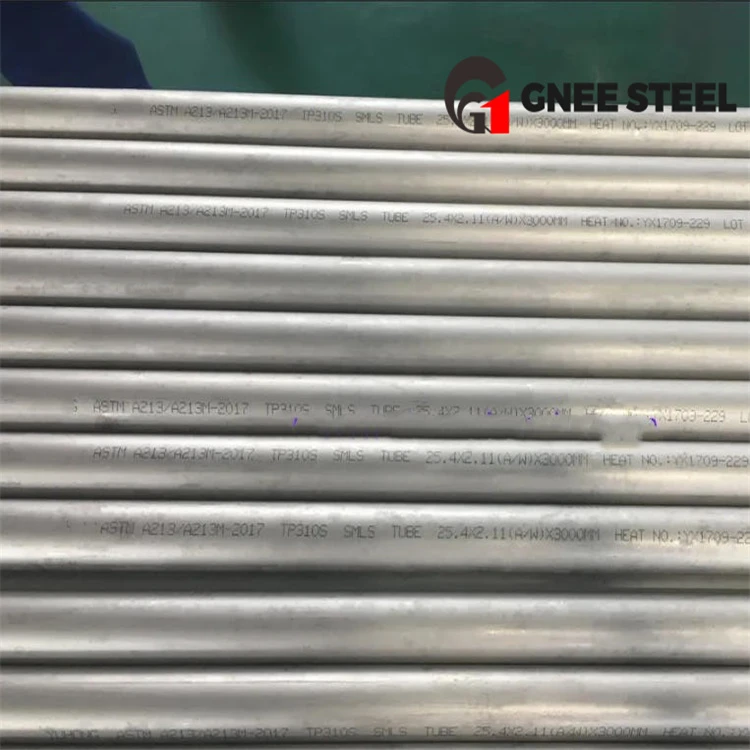
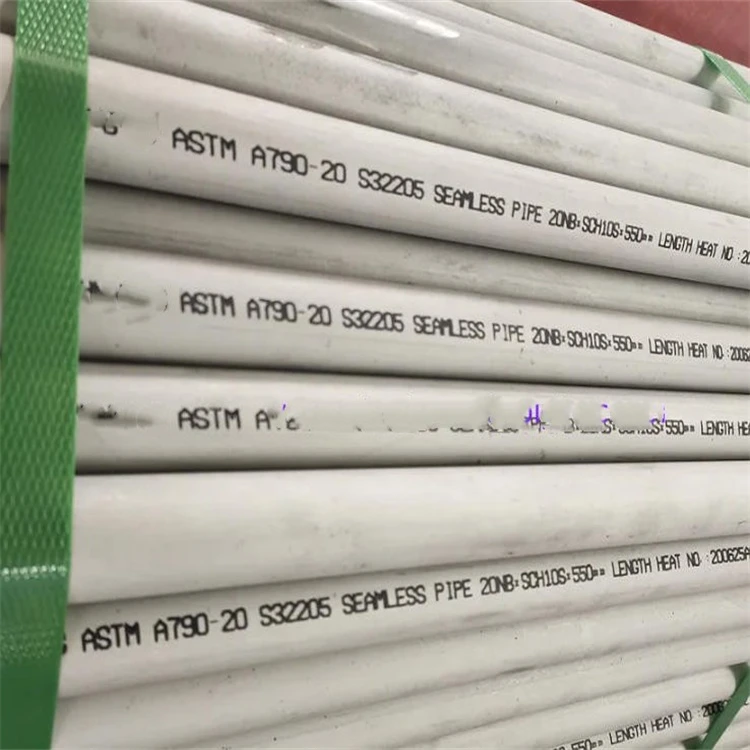
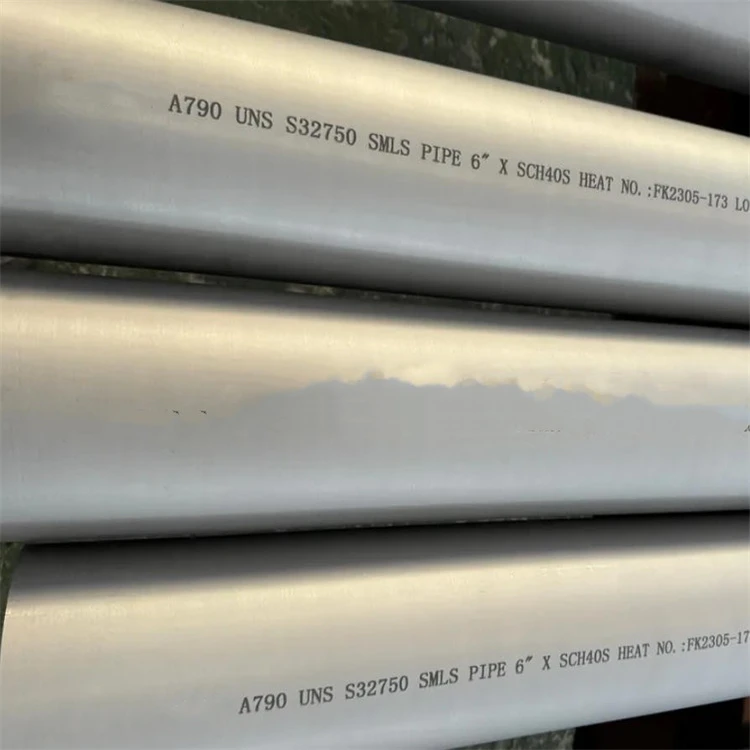
GNEE supplies stainless steel seamless and welded pipes in grades including TP304, TP304L, TP316, TP316L, TP321, TP310S, 2205, and 2507.
Our supply range covers common NPS sizes and multiple wall thicknesses in accordance with applicable ASTM and ASME requirements. Each order can be arranged according to the required material grade, dimensional standard, schedule, surface finish, and project specifications.
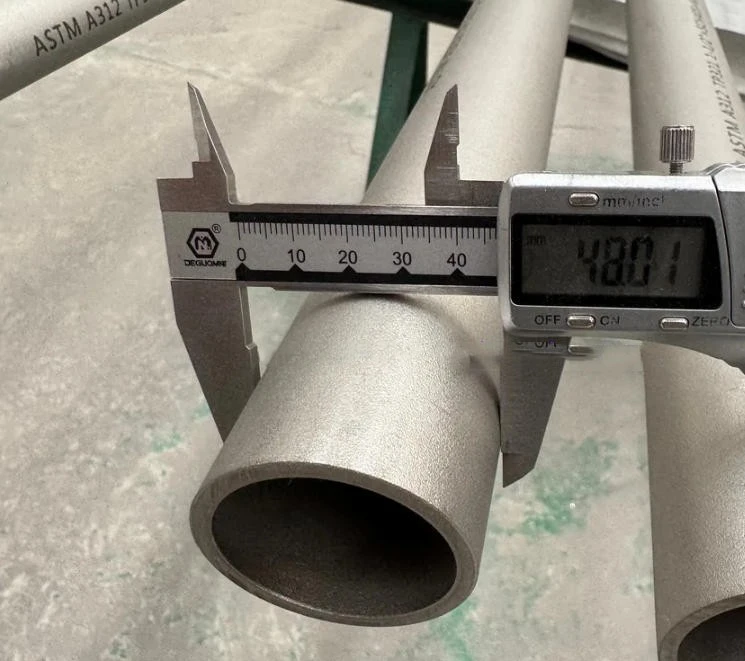
Quality control options include chemical composition analysis, PMI testing, dimensional inspection, tensile testing, hydrostatic testing, and applicable non-destructive testing. EN 10204 3.1 material test certificates and third-party inspection by SGS, BV, or TÜV can be arranged according to project requirements.
Contact GNEE with your pipe grade, NPS, schedule, wall thickness, and quantity to obtain a technical quotation and confirm available production or stock options.
FAQ
Q1. Are ASME B36.19M and ASME B36.10M interchangeable?
No. Although both standards use the NPS system, their wall thicknesses differ for certain sizes and schedules. Buyers should verify the exact dimensions before ordering.
Q2. Is Schedule 40 the same as Schedule 40S?
Not always. They have identical nominal wall thicknesses in many sizes, but differences occur in certain larger diameters, such as NPS 12 and above.
Q3. Which standard is used for ASTM A312 stainless steel pipe?
ASTM A312 specifies material, manufacturing, mechanical, and testing requirements for applicable stainless steel pipe products. ASME B36.19M is commonly used for their dimensional specifications.
Q4. Does a higher pipe schedule mean higher pressure capacity?
Generally, a thicker wall can increase pressure capacity under otherwise identical design conditions. However, the actual allowable pressure must be calculated according to the applicable design code, material allowable stress, temperature, dimensions, and other design factors.
Q5. Can stainless steel pipe be ordered to ASME B36.10M dimensions?
Yes. Stainless steel pipe can be manufactured or supplied to other specified dimensional requirements when technically and commercially available. However, the purchase order should explicitly identify the required standard and wall thickness.
Technical References
ASME B36.19M – Stainless Steel Pipe
ASME B36.10M – Welded and Seamless Wrought Steel Pipe
ASTM A312/A312M – Seamless, Welded, and Heavily Cold Worked Austenitic Stainless Steel Pipes
ASME B31.3 – Process Piping
Engineering Note: Pipe dimensional standards define nominal dimensions and do not independently establish the allowable operating pressure. Pressure design must be evaluated using the applicable piping code and project-specific operating conditions.


