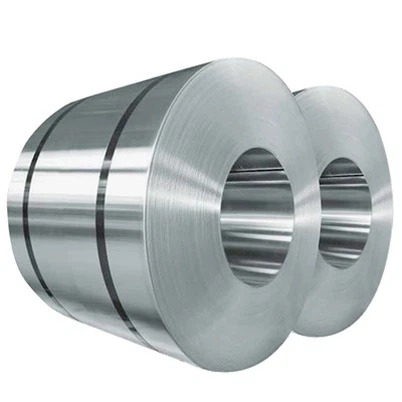
EN 1.4306 stainless steel.pdf
Leave a message
What is EN 1.4306 Stainless Steel?
EN 1.4306, also known as X2CrNi19-11 or AISI 304L, is a low-carbon austenitic stainless steel with excellent corrosion resistance and weldability. It contains approximately 18% chromium and 10–12% nickel, with a maximum carbon content of 0.030%, making it ideal for welded applications where intergranular corrosion must be avoided.
EN 1.4306 Chemical Composition (EN 10088-1 Standard)
| Element | Content (%) |
|---|---|
| C | ≤ 0.030 |
| Cr | 17.5 – 19.5 |
| Ni | 10.0 – 12.0 |
| Mn | ≤ 2.0 |
| Si | ≤ 1.0 |
| N | ≤ 0.10 |
| P | ≤ 0.045 |
| S | ≤ 0.015 |
EN 1.4306 vs EN 1.4301 (304)
| Property | EN 1.4306 (304L) | EN 1.4301 (304) |
|---|---|---|
| Carbon Content | ≤ 0.030% | ≤ 0.07% |
| Welded Corrosion Risk | Very Low | Moderate (after welding) |
| Cost | Slightly Higher | Standard |
| Application Focus | Welded structures | General purpose |
EN 1.4306 Mechanical Properties (Typical at Room Temperature)
| Property | Value |
|---|---|
| Tensile Strength | 500–700 MPa |
| Yield Strength | ≥ 190 MPa |
| Elongation (L0=5d) | ≥ 40% |
| Hardness (HB) | ≤ 215 |
Can EN 1.4306 be used for welding?
Yes. It is specifically optimized for welding applications without requiring post-weld heat treatment.
What's the difference between 1.4306 and 1.4404?
1.4306 lacks molybdenum and offers lower pitting resistance compared to 1.4404 (316L), which performs better in corrosive or marine environments.
Is 1.4306 magnetic?
In its annealed condition, 1.4306 is non-magnetic but may become slightly magnetic after cold working.