How is stainless steel piping usually joined?
Leave a message
How is stainless steel piping usually joined?
Stainless steel piping is commonly joined using several methods, including the following:
Welding: Welding is a widely used method for joining stainless steel pipes. There are different welding techniques employed, depending on the specific application and pipe size. Some common welding methods for stainless steel piping include:Tungsten Inert Gas (TIG) Welding: TIG welding uses a non-consumable tungsten electrode to create a high-quality, precise weld. It produces clean and aesthetically pleasing welds, making it suitable for applications where appearance is important, such as in food processing or pharmaceutical industries.Shielded Metal Arc Welding (SMAW): Also known as stick welding, SMAW involves using a consumable electrode coated in flux to create an arc and form the weld. It is a versatile and widely used method for joining stainless steel pipes.Gas Metal Arc Welding (GMAW) or Metal Inert Gas (MIG) Welding: GMAW/MIG welding utilizes a continuously fed wire electrode and shielding gas to create the weld. It is a faster and more automated process compared to TIG welding and is commonly used for larger diameter pipes or in industrial applications.
Compression Fittings: Compression fittings provide a non-welded method of joining stainless steel pipes. These fittings consist of a body, nut, and ferrules (usually made of stainless steel) that create a leak-tight seal when compressed onto the pipe. Compression fittings are easy to install and disassemble, making them suitable for temporary connections or applications where frequent disassembly is required.
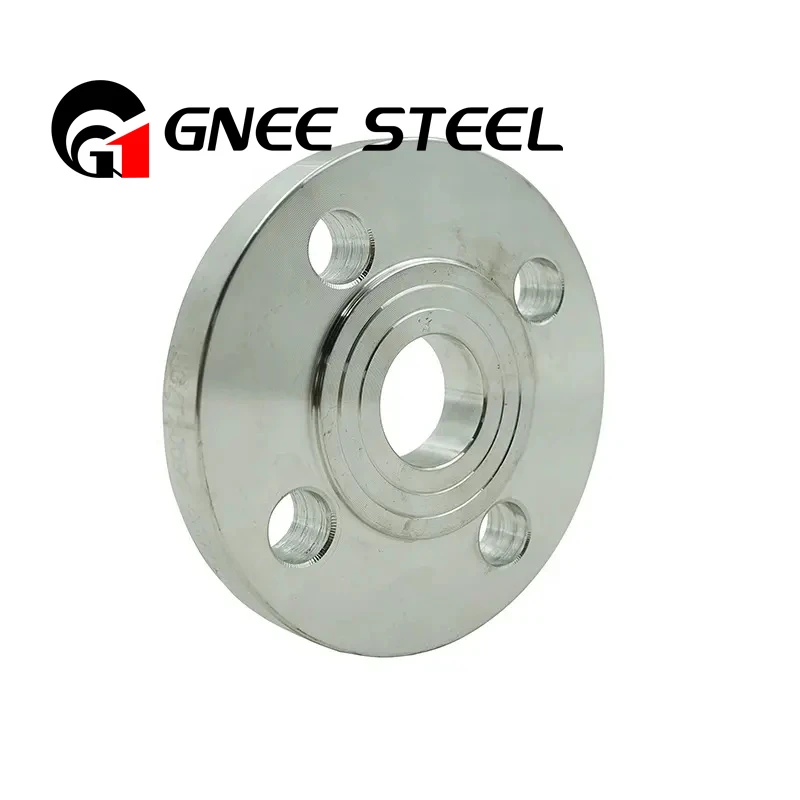
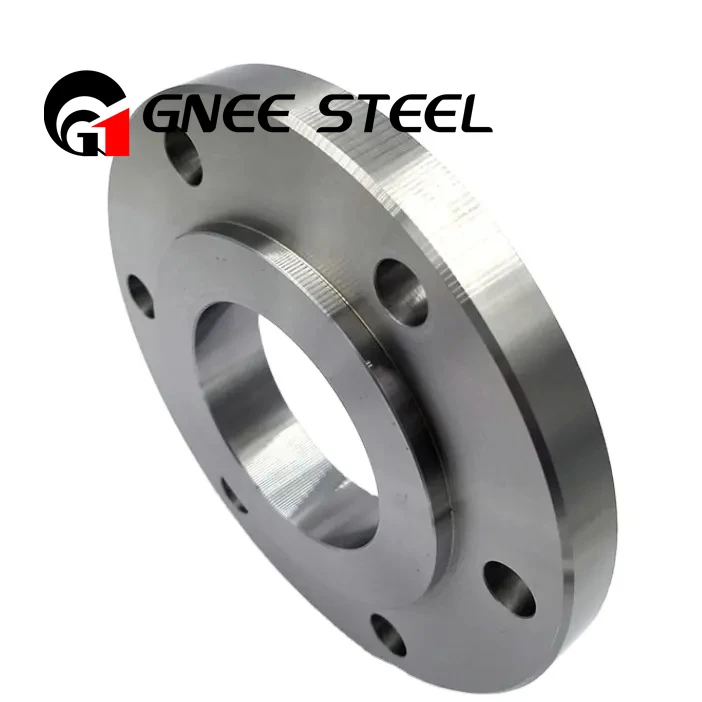
Flanged Joints: Flanged joints involve connecting ss pipes using stainless steel flanges, which are flat, circular discs with bolt holes. The pipes are aligned and joined together by bolting the flanges together with gaskets in between to create a sealed connection. SS Flanged joints are commonly used in high-pressure or large-diameter piping systems.
Threaded Connections: Threaded connections involve screwing together stainless pipes using male and female threads. Tapered threads, such as NPT (National Pipe Thread), are commonly used for stainless steel piping. Threaded connections are suitable for smaller diameter pipes and low-pressure applications.
Press-Fit Connections: Press-fit connections utilize a specialized tool to press stainless steel pipes into fittings with an elastomeric or metal seal. The pressing process creates a secure and leak-tight connection without the need for welding or threading. Press-fit connections are quick to install and are commonly used in plumbing and HVAC systems.
The choice of joining method depends on factors such as the application, pipe size, pressure requirements, corrosion resistance, and local building codes. It's important to follow industry standards, manufacturer guidelines, and consult with professionals to ensure proper installation and selection of the appropriate joining method for stainless steel piping.
GNEE Steel has been committed to stainless steel products for many years and is an expert in the field of stainless steel, providing various grades of stainless steel products, including stainless steel seamless pipes, stainless steel welded pipes, stainless steel plates, stainless steel coils, stainless steel pipe fittings, etc. If you need stainless steel, please contact us.ss@gneesteel.com