SS 310 vs SS 316 sheet: key difference
Leave a message
In the stainless steel industry, SS 310 and SS 316 sheets are two of the most commonly used grades, but they serve different purposes depending on the application. Choosing the right grade is not only a technical decision but also an investment in safety, durability, and cost efficiency. This guide provides a detailed comparison between SS 310 and SS 316 sheets to help engineers, procurement managers, and project leaders make the right choice.
What is 310 stainless steel plate?
310 stainless steel plate is an austenitic stainless steel with excellent high-temperature strength and oxidation resistance. It maintains good structural stability and performance in high-temperature environments. It can withstand continuous temperatures of 1000-1150°C and even withstand temperatures up to 1200°C for short periods. Therefore, it is commonly used in high-temperature industrial applications such as boilers, heat exchangers, and incinerators.
What is the difference between SS 310 and SS 316?
SS 310 contains higher levels of chromium and nickel for extreme heat applications like furnace components, whereas SS 316 is used in marine and chemical environments for its improved resistance to pitting and crevice corrosion.
Chemical Composition
| Element | SS 310 | SS 316 |
|---|---|---|
| Carbon (C) | ≤0.25% | ≤0.08% |
| Chromium (Cr) | 24–26% | 16–18% |
| Nickel (Ni) | 19–22% | 10–14% |
| Molybdenum (Mo) | – | 2–3% |
| Maximum Service Temperature | Up to 1100°C (2012°F) | Up to 870°C (1598°F) |
Mechanical and Performance Comparison
| Property | SS 310 Sheet | SS 316 Sheet |
|---|---|---|
| Tensile Strength | ~515 MPa | ~485 MPa |
| Yield Strength | ~205 MPa | ~170 MPa |
| Elongation | ~40% | ~40% |
| Density | 7.9 g/cm³ | 8.0 g/cm³ |
| Heat Resistance | Excellent (oxidation resistance up to 1100°C) | Good (continuous service up to 870°C) |
Is 310 better than 316 for high temperature?
310 stainless steel offers a distinct advantage over 316 stainless steel for high-temperature applications because it is designed for extreme high-temperature environments and offers superior resistance to oxidation and carburization, whereas 316 stainless steel's strength decreases significantly at high temperatures. 310 stainless steel, with its higher chromium and nickel content, excels in furnace components, heat treating, and other high-temperature environments up to 2,100°F (1,150°C).
Is 310 stainless steel more expensive than 316 stainless steel?
No, 310 stainless steel is not more expensive than 316 stainless steel; 316 is generally considered more cost-effective due to its wider availability and lower nickel content, while 310 stainless steel is more expensive due to its higher alloy content, specifically its high chromium and nickel, making it a higher-priced option for specialized high-temperature and oxidation-resistant applications.
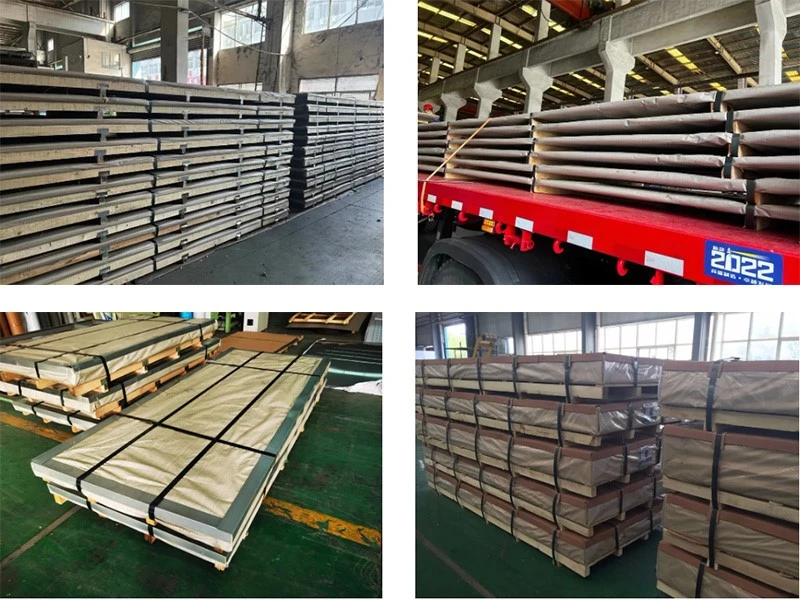
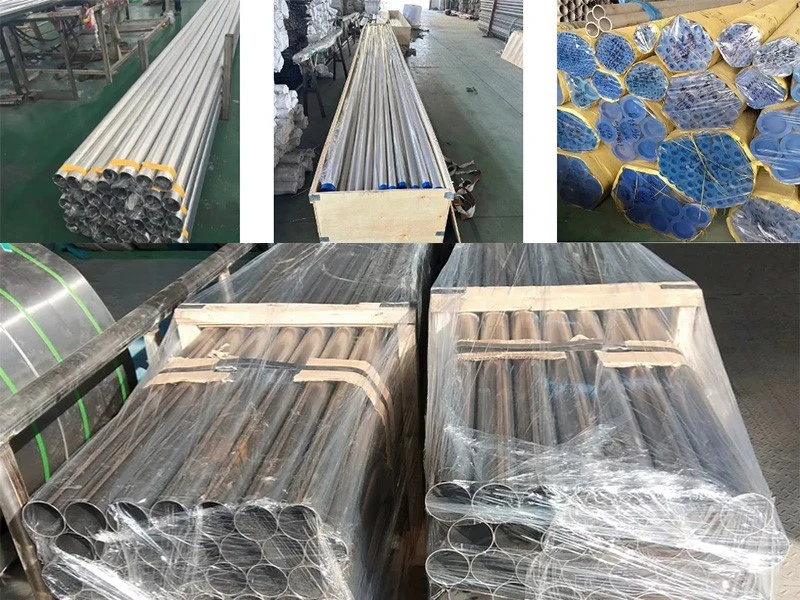
If you have a project need for 310 and 316 stainless steel, we welcome your order. GNEE has a large inventory of popular products for you to choose from. These products can be processed into a variety of practical product forms, including sheet, coil, tube, bar, and wire. For detailed chemical composition and free samples, please contact our factory today. We offer competitive pricing and excellent service.
Click here to get the 310 and 316 stainless steel material list