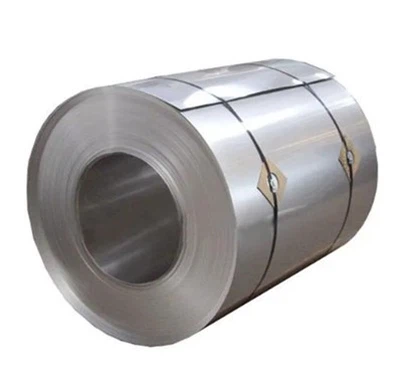
How 202 Stainless Steel Perforated Plate Enhances Durability And Aesthetics in Architectural Designs
Leave a message
Tianjin, China - The architectural design landscape is being transformed by the remarkable properties of 202 stainless steel perforated plate, which is revolutionizing the way buildings are constructed. With its unique blend of durability, functionality, and aesthetic appeal, this innovative material is taking center stage in architectural designs, offering architects and designers new possibilities for creating visually stunning and structurally sound structures.
202 stainless steel perforated plate has emerged as a game-changer in architectural applications, owing to its exceptional durability. The material's resistance to corrosion and wear makes it highly suitable for exterior use, even in challenging environments. Whether it's a building facade, decorative element, or interior partition, the perforated plate can withstand harsh weather conditions, UV radiation, and other external factors, ensuring long-lasting performance and reducing maintenance costs over time.
Furthermore, the perforated plate's strength-to-weight ratio makes it an attractive choice for architectural projects. Despite its lightweight nature, it exhibits remarkable structural integrity, providing designers with the freedom to explore innovative and intricate designs. The material's strength allows for larger spans and reduced support structures, resulting in more open and visually appealing spaces.
Architects and designers are also drawn to 202 stainless steel perforated plate for its versatility in creating unique aesthetics. The perforations in the plate can be customized in various patterns, sizes, and densities, enabling designers to achieve the desired visual effects. From geometric patterns to organic shapes, the perforated plate adds a modern and distinctive touch to architectural designs, creating visually dynamic facades and captivating interior spaces.
Moreover, the perforated plate offers the advantage of light and shadow play. As sunlight filters through the perforations, it creates intriguing patterns and interplays of light and shadow, adding depth and dimension to architectural elements. This dynamic interaction with natural light enhances the overall visual appeal of the structure, creating an engaging and ever-changing ambiance throughout the day.
The incorporation of 202 stainless steel perforated plate in architectural designs also has sustainable implications. The material is 100% recyclable, aligning with the growing emphasis on eco-friendly construction practices. Its durability and resistance to deterioration reduce the need for frequent replacements, minimizing waste generation and contributing to a more sustainable built environment.
Leading architects and designers are increasingly leveraging the advantages of 202 stainless steel perforated plate to push the boundaries of architectural creativity. They are exploring new possibilities in terms of form, texture, and visual effects, incorporating the perforated plate in iconic structures around the world. The material's ability to combine durability, functionality, and aesthetics has earned it a prominent place in the realm of architectural innovation.
As the demand for sustainable and visually striking architectural designs continues to grow, the utilization of 202 stainless steel perforated plate is expected to rise. Manufacturers are investing in advanced manufacturing technologies and techniques to meet the increasing demand for customized perforated plate solutions. This emphasis on quality and innovation ensures that architects and designers have access to high-quality perforated plate materials that meet their specific design requirements.
The integration of 202 stainless steel perforated plate in architectural designs is revolutionizing the industry, offering a combination of durability, functionality, and aesthetic appeal. From iconic skyscrapers to contemporary residential structures, the perforated plate is redefining the possibilities of architectural expression. As architects and designers continue to explore the versatility of this innovative material, it is poised to play an increasingly significant role in shaping the architectural landscape of the future.