Medical Advancements: Stainless Steel Caps Revolutionize Implantable Device Technology
Leave a message
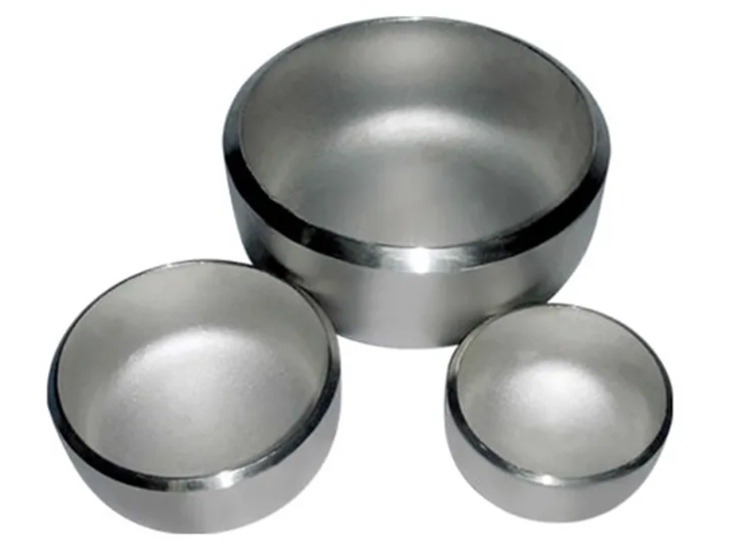
In a groundbreaking leap forward for medical science, stainless steel caps are spearheading a revolution in implantable device technology. This innovation is poised to transform the landscape of healthcare, enhancing the performance and longevity of implantable medical devices while ensuring patient safety and comfort.
Implantable medical devices, ranging from pacemakers to neurostimulators, have long been critical in treating various conditions and improving patients' quality of life. The success of these devices hinges on their durability, biocompatibility, and ability to seamlessly integrate with the human body. Stainless steel caps are emerging as a game-changer in achieving these goals.
The incorporation of stainless steel caps in implantable devices addresses multiple challenges that medical professionals and device manufacturers have grappled with. One of the key benefits is enhanced protection against corrosion. Stainless steel's innate resistance to corrosion ensures that the device remains structurally sound and functional over time, minimizing the risk of device failure or complications.
Biocompatibility is another crucial factor in the success of implantable devices. Stainless steel's biocompatible properties make it compatible with the human body, reducing the likelihood of adverse reactions or complications. This compatibility is particularly vital for devices that come into direct contact with bodily tissues and fluids.
Furthermore, stainless steel caps offer a versatile platform for customization. Engineers and medical professionals can tailor the design and features of the caps to suit specific medical requirements and patient needs. This flexibility allows for precise integration of sensors, leads, and other components, optimizing device performance for individual patients.
The introduction of stainless steel caps also paves the way for improved wireless communication and data transfer. These caps can serve as antennae, enabling seamless communication between the implanted device and external monitoring systems. This real-time data exchange enhances healthcare professionals' ability to monitor patient health and make informed decisions.
Patient safety is at the forefront of medical advancements, and stainless steel caps uphold this principle by providing a secure and reliable barrier between the device and the body. The caps' hermetic sealing capabilities prevent the infiltration of contaminants and moisture, reducing the risk of infection and ensuring the long-term integrity of the implant.
The medical community's response to stainless steel caps has been overwhelmingly positive, with ongoing research and development efforts dedicated to further refining and optimizing this technology. As more medical professionals recognize the potential of stainless steel caps, the field of implantable device technology stands on the brink of transformative breakthroughs.
In conclusion, the integration of stainless steel caps into implantable medical devices marks a momentous stride towards advancing patient care and well-being. This innovation holds the promise of improved device durability, enhanced biocompatibility, and seamless communication – all essential elements for the success of implantable devices. With the dawn of this new era in medical technology, patients and healthcare providers can look forward to a future where implantable devices are safer, more efficient, and more tailored to individual needs.