What Are The Standards And Requirements For Stainless Steel Pipes For Medical Gas Pipelines?
Leave a message
What standards do stainless steel medical gas pipelines need to comply with?
1.1 Core Reference Standards: There are clear specifications for stainless steel pipes used in medical gas pipelines both domestically and internationally, primarily including: GB/T 14976-2012, "Seamless Stainless Steel Pipes for Fluid Transportation" (which specifies basic requirements for materials, dimensions, performance, and other aspects of stainless steel pipes).
2. International Standards:
2.1 NFPA 99 (National Fire Protection Association standard, a core reference for medical gas systems worldwide, with strict requirements for piping materials and cleanliness).
2.2 ISO 7396-1:2016, "Medical Gas Piping Systems - Part 1: Compressed Medical Gases and Vacuum Piping Systems."
2.3 EN 13260 (European standard for medical gas piping materials and accessories).
ASTM A270 Specification for stainless steel medical gas piping
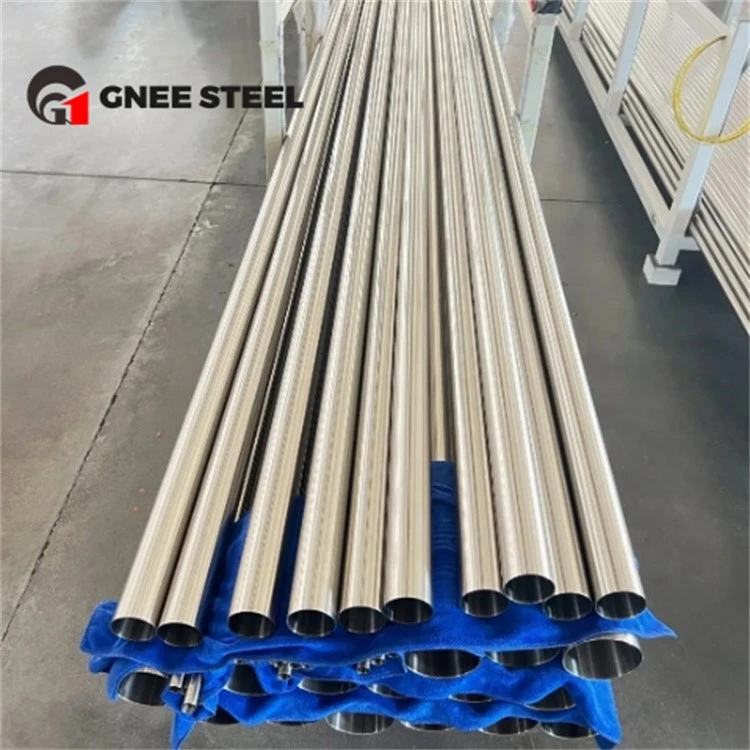
1. Material Requirements: Medical gas piping must be made of corrosion-resistant, non-toxic stainless steel.
1.1 Core material: 316L stainless steel (preferred): Contains molybdenum (Mo), offering superior corrosion resistance to 304 stainless steel. It is particularly suitable for exposure to gases like oxygen and carbon dioxide, and protects against chloride ion corrosion (e.g., disinfectant used in hospital environments).
1.2 304L stainless steel may be used in some low-pressure applications (e.g., vacuum piping), but compatibility with the gas must be verified (e.g., avoiding long-term contact with oxidizing gases).
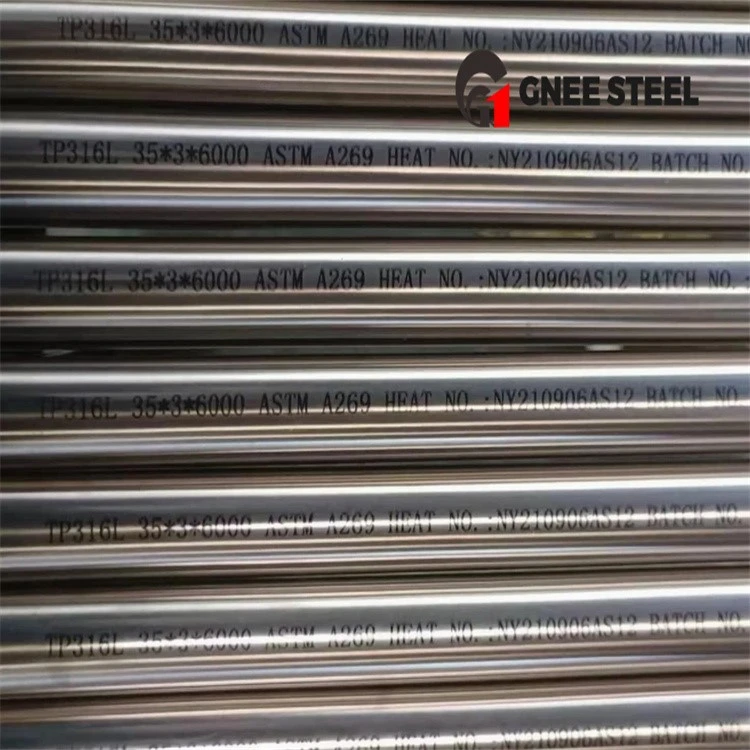
1.3 The material must meet the chemical composition and mechanical property requirements of ASTM A269 (seamless stainless steel pipe) or ASTM A270 (sanitary stainless steel pipe) (e.g., tensile strength ≥ 485 MPa, elongation ≥ 30%).
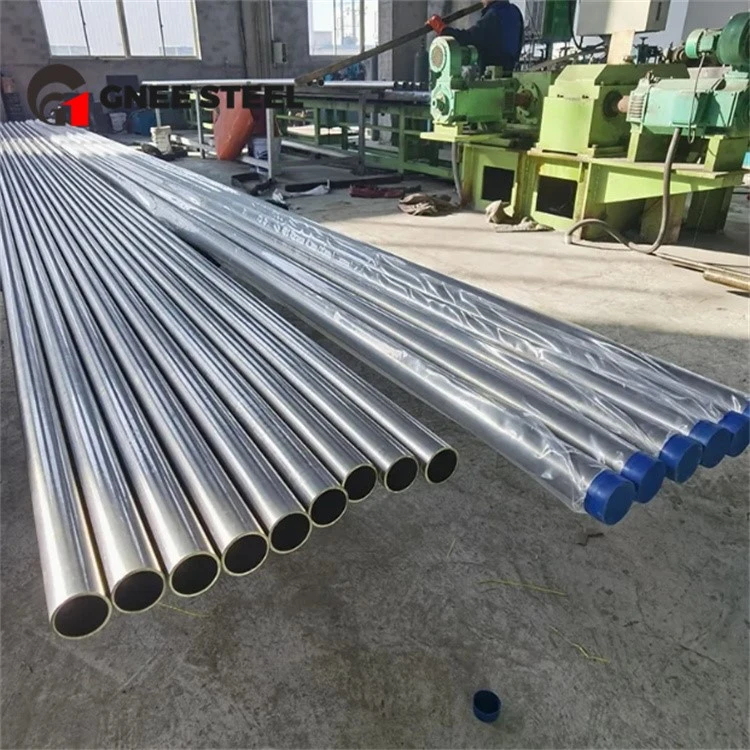
2. Manufacturing Process and Surface Treatment: Seamless pipes are preferred.
Ordinary welded pipes are prohibited (welds can harbor dirt and leaks). Cold-drawn or cold-rolled seamless pipes must be used to ensure pipe uniformity. Inner wall finish: The inner wall must be electrolytically or mechanically polished to a surface roughness of Ra ≤ 0.8μm to reduce gas turbulence, bacterial growth, and impurity deposition. Burr-free and scratch-free: The inner and outer surfaces must be free of defects such as cracks, folds, and dents. Cut ends must be flat and deburred to prevent particulate contamination during gas transportation.
3. Pressure Resistance and Sealing: Pressure resistance performance:
3.1 Design the wall thickness based on the gas operating pressure and meet the strength calculation requirements of GB/T 20801 (Pressure Piping Code) or ASME B31.3 (Process Piping Code). For example, the design pressure for oxygen pipelines is typically 1.6 MPa, and the test pressure is 1.5 times the design pressure (water or air pressure test).
3.2 Leakage Rate Requirements: Leak testing is required after installation. NFPA 99 requires a piping system leakage rate of ≤0.5%/hour (by volume), and the leakage rate for oxygen pipelines must be even lower (≤0.2%/hour).
4. Connection Methods
4.1 Tungsten Inert Gas (TIG) butt welding is preferred. Welds must be full penetration, free of pores and slag inclusions. Acid pickling and passivation treatment is required after welding to prevent weld corrosion.
4.2 Welds must undergo 100% non-destructive testing (such as X-ray or penetrant testing) to ensure weld quality.
Contact us today for a free technical consultation and custom quote. We offer 316L medical stainless steel tubing that meets ISO 7396-1 / NFPA 99 requirements (including MTC, oxygen cleaning, and weld records). We also provide sample and cutting services to help you achieve rapid acceptance and ensure the long-term safety of your medical gas systems. Request a quote and technical data now!
Our product