What Are The Standards For 304 Sanitary Stainless Steel Pipes?
Leave a message
While many are familiar with 304 sanitary stainless steel pipes, fewer are aware of the specific standards that govern them. Today, GNEE will introduce the key standards and features of 304 sanitary stainless steel pipes.
What are 304 Sanitary Stainless Steel Pipes?
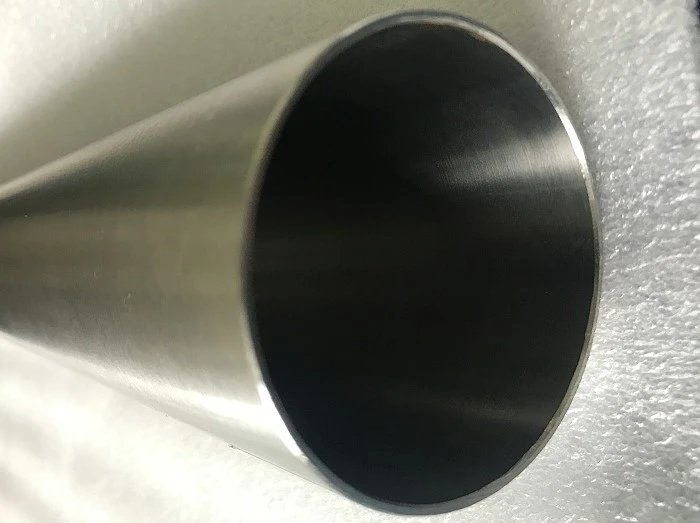
304 sanitary stainless steel pipes are specially designed for use in food production equipment and production lines. These pipes are made from food-grade stainless steel, offering excellent corrosion resistance and a smooth surface, making them ideal for hygienic applications.
Implementation Standards for 304 Sanitary Stainless Steel Pipes
ASTM A270
DIN 11850
European Standard QBT 2467
Key Production Standards of Sanitary Stainless Steel Pipes
The main requirements for 304 sanitary stainless steel pipes include surface finish, oil removal, and the formation of a passivation layer. These standards ensure both hygiene and performance:
Surface Finish:
The inner and outer surfaces of the steel pipe are polished to achieve a bright, mirror-like finish. This process helps prevent fluid substances from adhering to the pipe walls, which can lead to contamination or blockage over time.
Passivation Layer:
After polishing, the steel pipe is immersed in a passivation tank, where it is treated with an acidic passivation solution. This process forms a protective passivation layer that enhances the corrosion resistance of the pipe.
Oil-Free Cleaning:
After passivation, the pipe undergoes oil-free cleaning to remove any residual oil stains from the surface. The pipes are then inspected using a grease analyzer to ensure they are free from contaminants. This step is crucial in preventing oil stains from contaminating the fluids inside the pipe.
Features of 304 Sanitary Stainless Steel Pipes from GNEE
The inner walls of the 304 sanitary stainless steel pipes supplied by GNEE are smooth and free from impurities, ensuring high-quality, clean water flow. Made from food-grade stainless steel, these pipes are safe, hygienic, wear-resistant, corrosion-resistant, and have a long service life. Furthermore, they help reduce water flow resistance, contributing to water conservation.