

Are reducing tubes suitable for gas pipelines?
Leave a message

Hey there! As a reducing tube supplier, I often get asked whether reducing tubes are suitable for gas pipelines. It's a crucial question, especially considering the safety and efficiency requirements of gas transportation. So, let's dive right into it and explore this topic in detail.
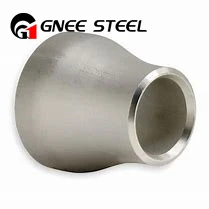
First off, what exactly are reducing tubes? Well, they're basically pipe fittings that connect two pipes of different diameters. They come in various shapes, like concentric and eccentric reducers. Concentric reducers have a centerline that's aligned on both ends, while eccentric reducers have an offset centerline. This difference makes them suitable for different applications.
Now, when it comes to gas pipelines, reducing tubes can be a great choice, but there are a few things to consider. One of the most important factors is the material of the reducing tube. You want a material that can withstand the pressure and chemical properties of the gas being transported. For instance, stainless steel is a popular choice for gas pipelines. It's corrosion-resistant, which is super important because gas can sometimes contain corrosive elements.
We offer a range of stainless steel reducing tubes, like the 1.4542 1.4466 Steel Pipe Reducer GB/T13401. This type of reducer is made from high-quality stainless steel that can handle high pressures and resist corrosion. It's designed according to the GB/T13401 standard, which ensures its quality and performance.
Another option is the 316 Stainless Steel Schedule 40 Concentric Reducer. The 316 stainless steel is known for its excellent corrosion resistance, especially in environments where there's a lot of moisture or chemicals. The Schedule 40 refers to the wall thickness of the pipe, which means it can handle higher pressures compared to thinner-walled pipes.
If you're looking for a reducer with a thinner wall, the 316 Stainless Steel Schedule 10 Concentric Reducer might be a good fit. It's still made from 316 stainless steel, so it has the same corrosion-resistant properties, but it's lighter and more cost-effective for applications where high pressure isn't a major concern.
But it's not just about the material. The design of the reducing tube also matters. A well-designed reducer can minimize pressure drop and turbulence in the pipeline. Pressure drop can affect the efficiency of the gas flow, and turbulence can cause wear and tear on the pipeline. Concentric reducers are usually better for minimizing pressure drop because they provide a smooth transition between the two pipe diameters.
Installation is another key aspect. You need to make sure the reducing tube is installed correctly to prevent leaks. This means using the right tools and following the installation instructions carefully. Improper installation can lead to gas leaks, which are not only dangerous but can also cause environmental damage.
In addition to material, design, and installation, you also need to consider the type of gas being transported. Different gases have different properties, such as temperature, pressure, and chemical composition. For example, natural gas is mainly composed of methane, which is relatively inert. But if you're transporting a gas that's more reactive or corrosive, you'll need a reducing tube that can handle those specific conditions.
When it comes to pressure ratings, you have to match the reducing tube's pressure rating with the pipeline's operating pressure. If the pressure rating of the reducer is too low, it can fail under the pressure of the gas, leading to a dangerous situation. On the other hand, if it's too high, you might be overspending on a more expensive reducer than you actually need.
Maintenance is also crucial for the long-term performance of reducing tubes in gas pipelines. Regular inspections can help detect any signs of corrosion, wear, or damage early on. You can then take appropriate measures, such as replacing the reducer or applying protective coatings, to prevent further problems.
So, are reducing tubes suitable for gas pipelines? The answer is yes, but with careful consideration of material, design, installation, gas type, pressure ratings, and maintenance. If you're in the market for reducing tubes for your gas pipeline project, we're here to help. We have a wide range of products to meet your specific needs, and our team of experts can provide you with the advice and support you need to make the right choice.
If you're interested in learning more about our reducing tubes or have any questions about their suitability for your gas pipeline, don't hesitate to reach out. We're always happy to have a chat and discuss your requirements. Whether you're a small business or a large industrial operation, we can work with you to find the best solutions for your gas pipeline needs.
In conclusion, reducing tubes can be a valuable addition to gas pipelines when selected and installed correctly. They offer a practical way to connect pipes of different diameters while maintaining the integrity and efficiency of the gas flow. So, if you're planning a gas pipeline project, consider using our high-quality reducing tubes.
References

- ASME B31.8: Gas Transmission and Distribution Piping Systems
- API 5L: Specification for Line Pipe
- ASTM A312: Standard Specification for Seamless, Welded, and Heavily Cold Worked Austenitic Stainless Steel Pipes


