

Are stainless steel pipes easy to install compared to other pipes?
Leave a message

Hey there! As a supplier of stainless steel pipes, I often get asked whether stainless steel pipes are easy to install compared to other pipes. Well, let's dive right into it and break it down.
First off, let's talk about what makes stainless steel pipes unique. Stainless steel is a super - durable material. It's resistant to corrosion, which means it can last a really long time, even in harsh environments. And this durability actually plays a big part in the installation process.
When you're looking at different types of pipes, you've got options like PVC, copper, and galvanized steel. PVC pipes are lightweight and pretty easy to cut and connect. You can usually just use a simple solvent cement to join them together. But here's the thing, PVC isn't as strong as stainless steel. It can crack or break under high pressure or extreme temperatures.
Copper pipes, on the other hand, are known for their excellent heat conductivity. They're commonly used in plumbing for hot water systems. However, copper pipes can be a bit tricky to install. You need to use soldering techniques, which require some skill and the right tools. A bad solder joint can lead to leaks, and that's a real headache.
Galvanized steel pipes were once very popular, but they've fallen out of favor in some applications because they can rust over time. Installation of galvanized steel pipes often involves threading the ends and using pipe wrenches to tighten them together. This process can be time - consuming, and if the threads aren't cut correctly, it can cause problems.
Now, let's focus on stainless steel pipes. One of the great things about stainless steel pipes is their strength. They can handle high pressures and heavy loads without deforming. This means that during installation, you don't have to worry as much about the pipes getting damaged.
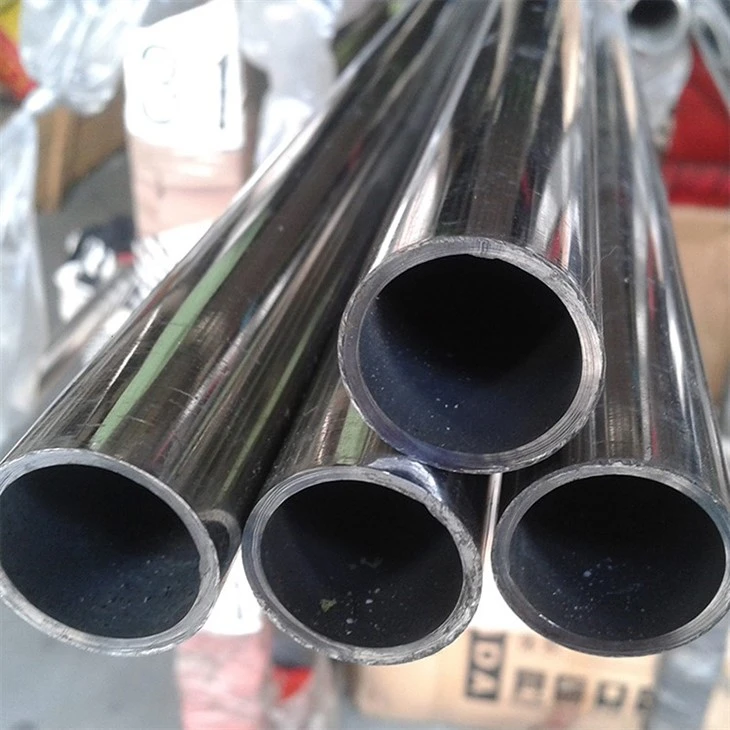

There are different ways to install stainless steel pipes. One common method is using mechanical couplings. These are pre - fabricated connectors that can quickly and easily join two pipes together. You just slide the coupling over the ends of the pipes and tighten the bolts. It's a straightforward process that doesn't require any special skills or equipment like soldering.
Another option is welding. Welding stainless steel pipes creates a very strong and permanent joint. While welding does require some training and the right equipment, modern welding techniques have made it more accessible. There are also different types of welding methods, such as TIG (Tungsten Inert Gas) welding, which can provide a clean and precise weld.
Let's take a look at some specific types of stainless steel pipes. The 304H STAINLESS STEEL PIPE is a popular choice. It has good corrosion resistance and high - temperature strength. When installing 304H stainless steel pipes, you can use either mechanical couplings or welding, depending on your needs.
The 316Ti Pipe Stainelss Steel is even more resistant to corrosion, especially in environments where there are chemicals or saltwater. This type of pipe is often used in industrial applications. The installation process for 316Ti pipes is similar to other stainless steel pipes, but you might need to pay a bit more attention to the welding parameters to ensure a proper joint.
If you're looking for large - diameter pipes, the 201 Stainless Steel Pipe Large Diameter is a great option. Installing large - diameter pipes can be challenging, but stainless steel's strength makes it more manageable. You can still use mechanical couplings or welding, but you might need some additional support during the installation to keep the pipes in place.
In terms of ease of installation, stainless steel pipes have an edge in many situations. The mechanical coupling method is simple and fast, and even welding, while it has a learning curve, can be mastered with practice. And because stainless steel pipes are so durable, you won't have to worry about frequent repairs or replacements, which can save you time and money in the long run.
However, it's important to note that the installation process can still vary depending on the specific project requirements. For example, if you're working in a tight space, the installation might be more difficult regardless of the pipe material. Also, local building codes and regulations can affect how you install the pipes.
Overall, I'd say that stainless steel pipes are relatively easy to install compared to some other types of pipes. They offer a good balance of strength, durability, and ease of installation. Whether you're a professional installer or a DIY enthusiast, stainless steel pipes can be a great choice for your next project.
If you're interested in purchasing stainless steel pipes for your project, we'd love to help. We have a wide range of stainless steel pipes in different sizes, grades, and specifications. Just get in touch with us to discuss your requirements, and we'll work with you to find the best solution for your needs.
References:
- "Handbook of Stainless Steels" by ASM International
- "Piping Handbook" by Cameron W. Johnstone


