

Can flanges be used in pharmaceutical applications?
Leave a message

Can flanges be used in pharmaceutical applications? This is a question that often arises in the industry, and as a flange supplier, I'm here to provide a comprehensive answer.
The Role of Flanges in General Industrial Applications
Flanges are essential components in piping systems across various industries. They are used to connect pipes, valves, pumps, and other equipment, providing a way to create a sealed and leak - proof connection. In general industrial settings, flanges come in different materials, sizes, and designs to meet diverse requirements. For example, carbon steel flanges are commonly used in high - pressure and high - temperature applications due to their strength and durability. Stainless steel flanges, on the other hand, are preferred in environments where corrosion resistance is crucial.

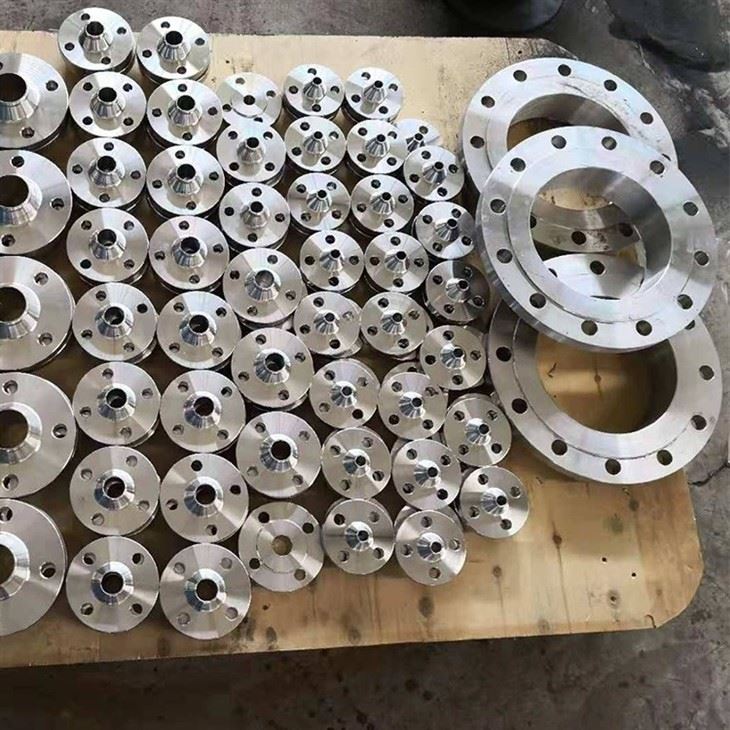
Specific Requirements in Pharmaceutical Applications
The pharmaceutical industry has some of the most stringent requirements when it comes to equipment and materials. These requirements are in place to ensure the safety and purity of pharmaceutical products.
Hygiene and Cleanliness
Pharmaceutical manufacturing processes must adhere to strict hygiene standards. Any contamination from the equipment used can have serious consequences for the quality of the drugs. Therefore, the materials used in pharmaceutical applications need to be easy to clean and sterilize. Smooth surfaces are preferred as they prevent the accumulation of residues and microorganisms.
Compatibility with Pharmaceutical Products
Flanges used in pharmaceutical applications must be compatible with the pharmaceutical products being processed. They should not react with the drugs, solvents, or other chemicals involved in the manufacturing process. This means that the material of the flange should be chemically inert under the conditions of use.
Regulatory Compliance
The pharmaceutical industry is heavily regulated by various authorities such as the Food and Drug Administration (FDA) in the United States and the European Medicines Agency (EMA) in Europe. Flanges used in pharmaceutical applications must comply with relevant regulations, including those related to material composition, surface finish, and manufacturing processes.
Suitable Flange Materials for Pharmaceutical Applications
Stainless Steel
Stainless steel is one of the most commonly used materials for flanges in pharmaceutical applications. It offers excellent corrosion resistance, which is essential in environments where the flanges may come into contact with corrosive chemicals or cleaning agents.
- 321 Stainless Steel Flange Cover: This type of stainless steel contains titanium, which stabilizes the steel against intergranular corrosion. It is suitable for use in pharmaceutical applications where the flanges may be exposed to high - temperature processes. You can find more information about 321 Stainless Steel Flange Cover.
- 310 Stainless Steel Flange Cover: 310 stainless steel has high chromium and nickel content, providing excellent resistance to oxidation and corrosion at elevated temperatures. It is well - suited for pharmaceutical applications that involve high - heat sterilization processes. Check out 310 Stainless Steel Flange Cover for more details.
Other Materials
In addition to stainless steel, other materials such as PTFE - lined flanges can also be used in pharmaceutical applications. PTFE (polytetrafluoroethylene) is a non - reactive and low - friction material, which is ideal for preventing product adhesion and contamination.
Design Considerations for Pharmaceutical Flanges
Smooth Surface Finish
As mentioned earlier, a smooth surface finish is crucial for easy cleaning and preventing the growth of microorganisms. Flanges used in pharmaceutical applications typically have a mirror - like finish or a very low surface roughness.
Sealing Performance
Proper sealing is essential to prevent leaks and contamination. Gaskets used with flanges in pharmaceutical applications need to be made of materials that are compatible with the pharmaceutical products and can withstand the operating conditions.
Ease of Installation and Maintenance
Flanges should be designed in a way that they are easy to install and maintain. This includes features such as standardized dimensions and easy - to - access bolts for disassembly.
Case Studies of Flange Use in Pharmaceutical Applications
Let's take a look at some real - world examples of how flanges are used in the pharmaceutical industry.
Drug Manufacturing Plants
In drug manufacturing plants, flanges are used to connect pipes in the production lines. For example, in the synthesis of antibiotics, stainless steel flanges are used to connect the reactors, storage tanks, and transfer pipes. The smooth surface finish of the flanges ensures that there is no residue left after cleaning, and the corrosion - resistant properties prevent any contamination from the equipment.
Sterile Filling Lines
In sterile filling lines, where drugs are filled into vials or ampoules, flanges play a crucial role in maintaining a sterile environment. The flanges are designed to be easily disassembled for cleaning and sterilization between production runs.
Challenges and Solutions in Using Flanges in Pharmaceutical Applications
Cost
High - quality flanges that meet the strict requirements of the pharmaceutical industry can be expensive. However, the cost needs to be weighed against the potential risks of using sub - standard flanges. Investing in reliable flanges can save money in the long run by preventing product recalls and ensuring regulatory compliance.
Supply Chain Issues
Ensuring a reliable supply of flanges that meet pharmaceutical standards can be a challenge. As a flange supplier, we work closely with our customers to understand their needs and ensure a timely supply of high - quality flanges. We also maintain a stock of commonly used flanges to minimize lead times.
Conclusion
In conclusion, flanges can indeed be used in pharmaceutical applications, but they need to meet specific requirements in terms of material, design, and regulatory compliance. Stainless steel flanges, such as 321 Stainless Steel Flange Cover and 310 Stainless Steel Flange Cover, are popular choices due to their corrosion resistance and ease of cleaning. Other materials and design features also play important roles in ensuring the safety and purity of pharmaceutical products.
If you are in the pharmaceutical industry and are looking for high - quality flanges that meet your specific requirements, we are here to help. We have a wide range of flanges, including ASTM410 Steel Flange Fitting, and our team of experts can assist you in selecting the most suitable flanges for your applications. Contact us today to start a discussion about your flange needs.
References
- FDA regulations on pharmaceutical equipment.
- European Pharmacopoeia guidelines on materials used in pharmaceutical manufacturing.
- Industry reports on the use of flanges in pharmaceutical applications.


