

How to treat the ends of a stainless steel rod?
Leave a message

Hey there! As a supplier of stainless steel rods, I've seen firsthand the importance of properly treating the ends of these rods. Whether you're using them for construction, manufacturing, or any other application, the way you handle the rod ends can significantly impact the overall performance and appearance of your project. In this blog post, I'll share some tips on how to treat the ends of a stainless steel rod, so let's dive right in!
Why Treating Rod Ends Matters
Before we get into the actual treatment methods, let's talk about why it's so important to pay attention to the rod ends. First off, the ends of a stainless steel rod are often the most vulnerable parts. They can be easily damaged during handling, transportation, or installation, which can lead to corrosion, reduced strength, and an overall less appealing look.

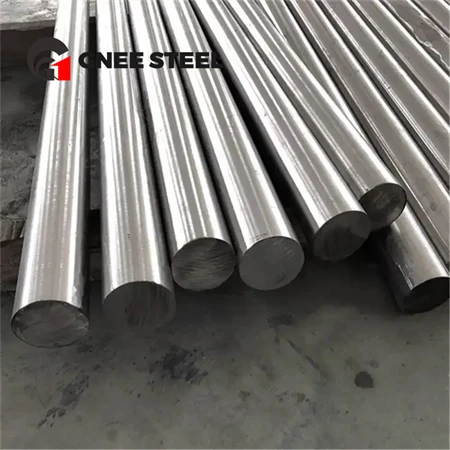
Properly treated rod ends also ensure a better fit and connection when you're using the rods in your project. Whether you're welding, threading, or using them in a mechanical joint, well-prepared ends make the process smoother and the end result more reliable.
Cutting the Rod
The first step in treating the ends of a stainless steel rod is usually cutting it to the desired length. There are several ways to do this, and the method you choose depends on the thickness of the rod and the tools you have available.
- Sawing: For thinner rods, a hacksaw or a power saw can be used. Make sure to use a blade designed for cutting stainless steel to prevent excessive wear and tear. When sawing, apply steady pressure and keep the blade perpendicular to the rod to get a clean cut.
- Shearing: Shearing is a quick and efficient way to cut thicker rods. However, it can leave a rough edge, so you'll need to do some additional finishing.
- Plasma Cutting: Plasma cutting is suitable for thicker rods and can provide a clean cut. It uses a high-velocity jet of ionized gas to melt and remove the metal. But be aware that plasma cutting can cause some heat-affected zones, which may require further treatment.
Deburring the Ends
After cutting the rod, the next step is to remove any burrs or sharp edges. Burrs are small pieces of metal that are left behind on the cut edge and can be a safety hazard and interfere with the proper fit of the rod.
- File or Sandpaper: A file or sandpaper can be used to manually remove the burrs. Start with a coarse file or sandpaper to remove the larger burrs and then switch to a finer one for a smoother finish.
- Deburring Tool: There are also specialized deburring tools available that can make the job quicker and more precise. These tools come in different shapes and sizes to fit various rod diameters.
Welding Preparation
If you plan to weld the rod ends, proper preparation is crucial for a strong and durable weld.
- Cleaning: Before welding, clean the ends of the rod to remove any dirt, grease, or oxide layers. You can use a degreaser and a wire brush to do this. Make sure to clean a few inches back from the end to ensure a clean welding surface.
- Beveling: For thicker rods, beveling the ends can improve the weld quality. A bevel is an angled cut on the edge of the rod, which allows for better penetration of the weld metal. You can use a grinder or a beveling machine to create the bevel.
Threading the Ends
Threading the ends of a stainless steel rod is another common treatment method, especially when you need to connect the rod to other components using nuts and bolts.
- Die and Tap: For small-scale projects, a die and tap set can be used to create threads on the rod ends. The die is used to cut external threads, while the tap is used for internal threads. Make sure to use cutting oil to lubricate the process and prevent the threads from getting damaged.
- Threading Machine: For larger-scale production, a threading machine is a more efficient option. These machines can create precise threads quickly and consistently.
Finishing the Ends
Once you've completed the cutting, deburring, and any other necessary treatments, it's time to finish the ends of the rod.
- Polishing: Polishing the ends can give the rod a more professional and attractive look. You can use a polishing compound and a buffing wheel to achieve a smooth and shiny finish.
- Passivation: Passivation is a chemical process that removes free iron from the surface of the stainless steel and forms a protective oxide layer. This helps prevent corrosion and extends the lifespan of the rod. You can use a passivation solution specifically designed for stainless steel.
Special Considerations for Different Grades of Stainless Steel
Not all stainless steel rods are created equal. Different grades of stainless steel have different properties, and this can affect the way you treat the ends.
- SUS 2205 Stainless Round Bar: SUS 2205 Stainless Round Bar is a duplex stainless steel with high strength and good corrosion resistance. When treating the ends of this grade, you need to be careful not to overheat it during cutting or welding, as this can affect its duplex structure and reduce its corrosion resistance.
- Stainless Round Rod 10mm: Stainless Round Rod 10mm is a common size and can be used in a variety of applications. The treatment methods for this size are similar to other rods, but you may need to adjust the tools and techniques based on its diameter.
- SS 430 Round Bars/Rods: SS 430 Round Bars/Rods are a ferritic stainless steel. They are magnetic and have good resistance to oxidation. However, they are less corrosion-resistant than some other grades, so proper passivation is especially important when treating the ends.
Conclusion
Treating the ends of a stainless steel rod is an important part of any project that uses these rods. By following the steps outlined in this blog post, you can ensure that your rod ends are properly prepared, which will lead to a better-looking and more reliable end result.
If you're in the market for high-quality stainless steel rods, we've got you covered. We offer a wide range of grades and sizes to meet your specific needs. Whether you're a professional contractor or a DIY enthusiast, we're here to help you find the right products for your project. If you have any questions or want to discuss your requirements, feel free to reach out to us for a purchase negotiation. We're always happy to assist!
References
- "Stainless Steel Handbook" by ASM International
- "Welding Stainless Steels" by The Lincoln Electric Company


