1.4125 / X105CrMo17 / AISI 440C Material Grade
Leave a message
what is 1.4125 material ?
1.4125 refers to a high-carbon martensitic stainless steel, also known as AISI 440C or X105CrMo17, famous for achieving exceptional hardness, strength, and wear resistance after heat treatment, making it ideal for cutting tools, bearings, and valve components where durability and corrosion resistance are crucial. It's valued for excellent polishing and low distortion but requires specific heat treatment to avoid compromising corrosion resistance.
What is 440C stainless steel equivalent to?
440C stainless steel equivalents include the European EN/DIN 1.4125 (X105CrMo17), Japanese SUS440C, and UNS S44004, all known for high hardness, wear resistance, and good corrosion resistance (like Grade 304), making them ideal for knives, bearings, and surgical tools.
1.4125 Chemical composition
| 1.4125 X10⁵CrMo17 |
C | Si | Mn | P | S | Cr | Mo | Ni | V |
|---|---|---|---|---|---|---|---|---|---|
| min. | 0,95 | bis | bis | bis | bis | 16,0 | 0,4 | ||
| max. | 1,20 | 1,0 | 1,0 | 0,04 | 0,04 | 18,0 | 0,8 |
EN 1.4125 (X105CrMo17 / AISI 440C) Mechanical Properties(Typical values, quenched and tempered condition)
| Property | Value |
|---|---|
| Tensile Strength | 900 – 1100 MPa |
| Yield Strength (0.2% offset) | ≥ 700 MPa |
| Elongation | ≥ 10 % |
| Hardness | 58 – 60 HRC |
| Impact Toughness (Charpy V, 20°C) | ≥ 8 J |
EN 1.4125 (X105CrMo17 / AISI 440C) Physical Properties
| Property | Value |
|---|---|
| Density | 7.70 g/cm³ |
| Elastic Modulus | 210 – 215 GPa |
| Thermal Conductivity (20°C) | 24 W/m·K |
| Specific Heat Capacity | 460 J/kg·K |
| Electrical Resistivity | 0.60 µΩ·m |
| Coefficient of Thermal Expansion (20–100°C) | 10.2 × 10⁻⁶ /K |
| Melting Range | 1410 – 1460 °C |
Is 1.4125 steel magnetic?
Yes, 1.4125 steel (also known as 440C or X105CrMo17) is magnetic because it is a high-carbon martensitic stainless steel, which gives it strong magnetic properties in all conditions, unlike austenitic stainless steels (like 304) that are typically non-magnetic.
What is the hardness of 1.4125 SS?
1.4125 stainless steel (also known as AISI 440C) achieves very high hardness after heat treatment, typically reaching 57 to 60 HRC, and even higher in special applications (up to 61-62 HRC), making it one of the hardest stainless steels currently available.
440A vs. 440B vs. 440C Stainless Steel
The main differences lie in carbon content, hardness, and wear resistance. 440A has the lowest carbon content (approximately 0.60%–0.75%), with a hardness of HRC 50–55, making it easy to machine but less wear-resistant. 440B has a slightly higher carbon content (approximately 0.75%–0.95%), with a hardness of HRC 55–58. 440C has the highest carbon content (approximately 0.95%–1.20%), with a hardness of HRC 58–60, offering excellent wear resistance and corrosion resistance, making it suitable for high-performance knives, bearings, and precision components.
What is the difference between 440C and 316 stainless steel?
440C is a high-carbon martensitic steel known for exceptional hardness, edge retention (great for knives), and wear resistance but lower corrosion resistance, while 316 (or 316L) is a molybdenum-containing austenitic steel prized for superior corrosion resistance, especially in marine/chemical environments, but it's softer and less wear-resistant than 440C. Choose 440C for cutting tools needing extreme sharpness; choose 316 for marine hardware, medical, or chemical equipment needing superior rust protection.
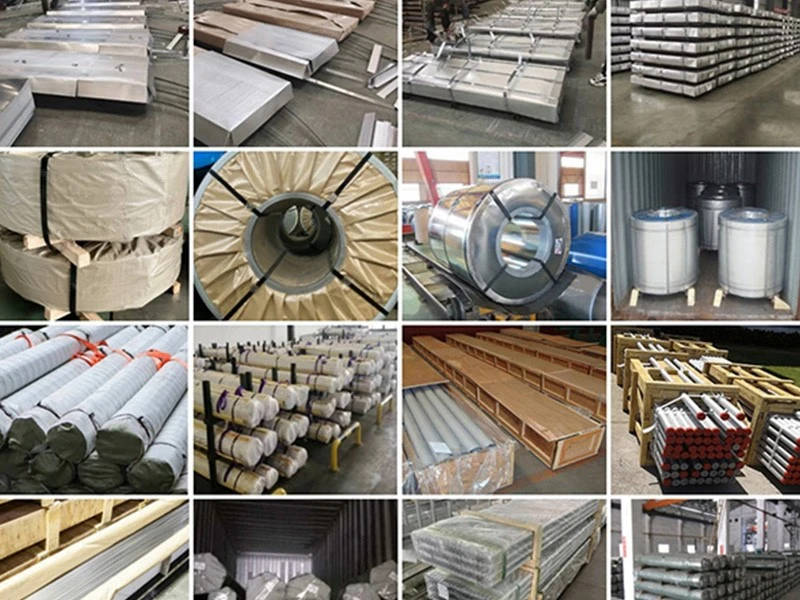
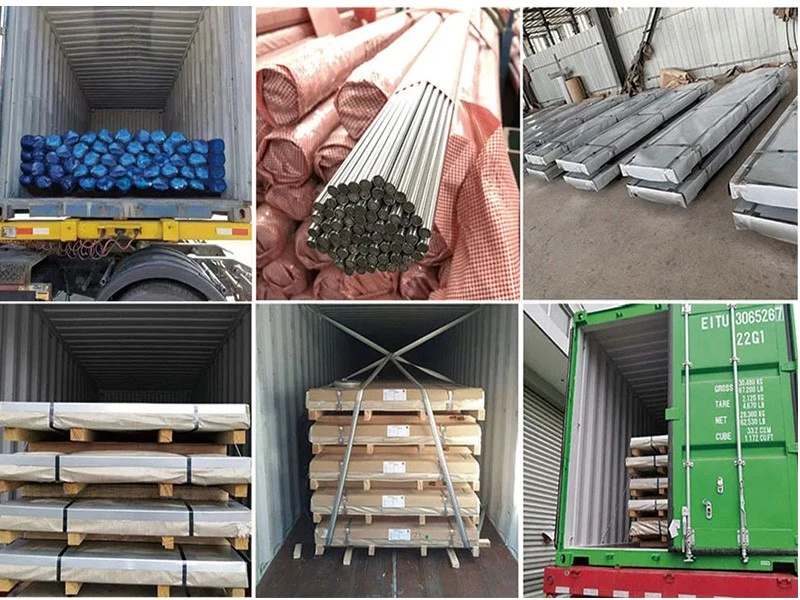
GNEE currently has 440A, 440B, and 440C products in stock, including plates, sheets, coils, strips, tubes, bars, and wires. In addition, we offer a variety of surface finishes for you to choose from, such as No. 1, 2B, 2D, BA, No. 3, No. 4, HL, No. 8, sandblasting, etc.
We guarantee 100% quality. We will never deliver any defective products to our customers. Please feel free to contact us to customize your required product specifications, including shape, condition, surface treatment, and processing technology.