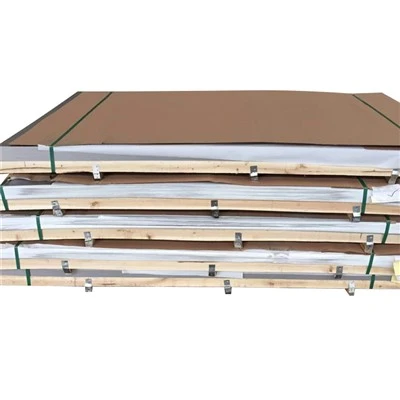
ASME B16.9 WP304 SMLS BW Concentric Reducer
Leave a message
If you are looking for ASME B16.9 WP304 SMLS BW Concentric Reducer for chemical processing, food & beverage, pharmaceutical, oil & gas, or industrial piping systems, GNEE provides stainless steel seamless butt weld reducers manufactured according to ASTM A403 WP304 / ASME B16.9 standards. Our reducers are available in NPS 1/2"–24"+ sizes, SCH 5S–XXS wall thickness, with MTC, PMI inspection, dimensional inspection, and export-grade packaging to ensure reliable installation and long service life.
What Is ASME B16.9 WP304 SMLS BW Concentric Reducer?
An ASME B16.9 WP304 SMLS BW Concentric Reducer is a stainless steel butt welding pipe fitting used to connect two pipes with different diameters while maintaining the same centerline. The larger and smaller pipe ends share a common axis, creating a smooth conical transition that helps reduce turbulence, pressure loss, and flow disturbance.
The fitting is manufactured from ASTM A403 WP304 stainless steel, which contains approximately 18–20% chromium and 8–10.5% nickel, providing good corrosion resistance, weldability, and suitability for general industrial piping applications. The seamless (SMLS) manufacturing process eliminates longitudinal weld seams, improving structural consistency for pressure piping systems.
ASME B16.9 defines dimensions, tolerances, and end-to-end requirements for factory-made wrought butt welding fittings, including concentric reducers.
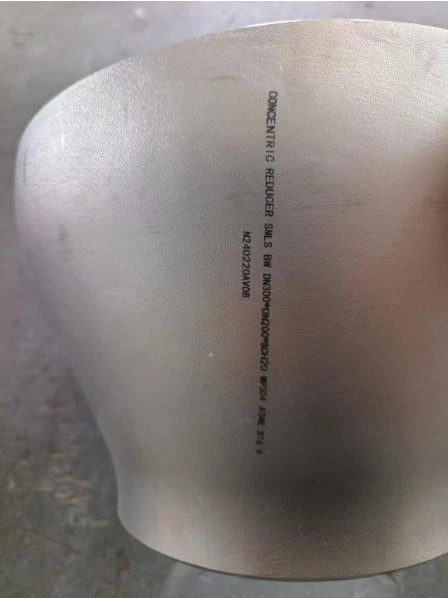
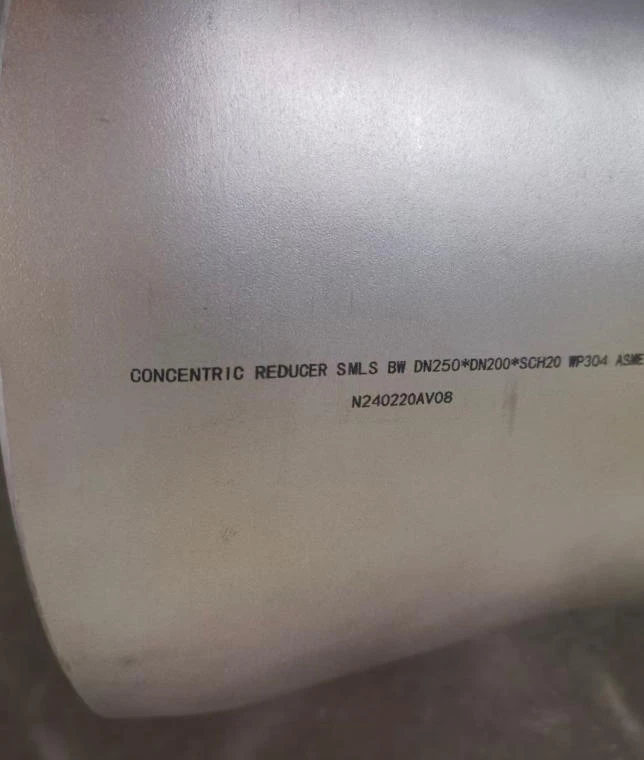
Production of ASME B16.9 WP304 seamless butt-weld concentric reducers:
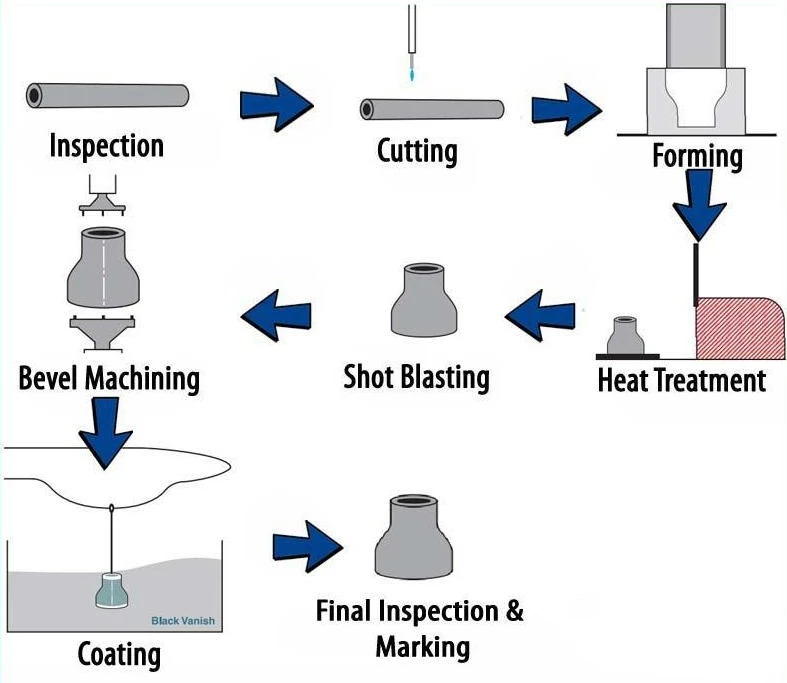
The pipe material is first cut to the required dimensions and heated to approximately 950–1050°C for hot forming; it is then pressed through a reducing die into a concentric conical shape while maintaining uniform wall thickness. The formed reducer undergoes solution annealing, pickling, passivation, end-beveling in accordance with ASME B16.25 standards, and dimensional calibration.
ASME B16.9 Concentric Reducer Technical Specification
| Property | Description / Requirement |
| Standard (Dimensional) | ASME B16.9 |
| Material Standard | ASTM A403 |
| Material Grade | WP304 / 304L (Seamless) |
| Fitting Type | Concentric Reducer (Reducer with common centerline) |
| Manufacturing Process | Seamless (SMLS) - Manufactured from seamless pipe or forging |
| Connection Type | Butt-Weld (BW) |
| Size Range | NPS 3/4" x 1/2" to 48" x 36" (Reduced sizes) |
| Wall Thickness | Match pipe schedule (e.g., Sch 10S, 40S, 80S) |
| End Preparation | Beveled end (per ASME B16.25) |
| Surface Finish | Pickled and Passivated |
| Heat Treatment | Solution Annealed (min. 1040°C, rapid cooling) |
| Marking | MSS SP-25 (Manufacturer, Size x Size, Sch, Grade, Heat No.) |
| Inspection & Testing | Visual, Dimensional, PMI, Hydrostatic (if specified) |
| Certification | Mill Test Certificate (MTC) EN 10204 3.1 |
ASME B16.9 WP304 Reducer Dimensions
According to ASME B16.9, the length (L) of concentric reducers is standardized. For example, the length of an NPS 2" x 1" reducer is 2.00 inches (51 mm); the "end-to-end" dimension of the fitting should be verified when purchasing.
| Size | Large End OD | Small End OD | Length (H) |
|---|---|---|---|
| 1" × 3/4" | 33.4 mm | 26.7 mm | 51 mm |
| 2" × 1" | 60.3 mm | 33.4 mm | 76 mm |
| 3" × 2" | 88.9 mm | 60.3 mm | 89 mm |
| 4" × 2" | 114.3 mm | 60.3 mm | 102 mm |
| 6" × 4" | 168.3 mm | 114.3 mm | 140 mm |
| 8" × 6" | 219.1 mm | 168.3 mm | 152 mm |
Butt-Weld Ends (B16.25):
If the wall thicknesses at the two ends differ and the difference exceeds a certain limit (typically 1.5 mm), the thicker end must be tapered in accordance with ASME B16.25 to ensure a smooth transition during welding.
Applications of WP304 Seamless Concentric Reducer
Clean fluid and sanitary processes: Commonly found in the pharmaceutical, food processing, and chemical industries; smooth transition designs prevent fluid stagnation and contamination.
Hydraulic and pneumatic systems: Used in fluid power transmission lines to enable smooth flow rate regulation. Gas and refrigeration piping: Used in gas and refrigerant transport networks to achieve stable, controlled transitions in pipe diameters.
To provide specific details regarding dimensions, weight, or pricing for the reducer, could you please provide the following information:
The required large and small pipe diameters (e.g., 4" x 2", 8" x 6")?
The required wall thickness or schedule (e.g., Sch 40S, Sch 80S)?
And the quantity required for the project?
WP304 Seamless Concentric Reducer Price
Prices for ASTM A403 WP304/304L seamless concentric reducers vary widely from roughly $1.80 to over $900 per piece, depending heavily on the size dimensions, schedule (wall thickness), and supplier.
Small sizes (Schedule 40 / lower wall thickness): Unit prices for smaller fittings, such as 3/4" x 1/2" or 1" x 1/2", typically range from $1.80 to $12.30.
Medium sizes (Schedule 80 / heavy wall): Prices for heavy-duty Schedule 80 seamless fittings rise significantly as the size increases.
Quality Inspection
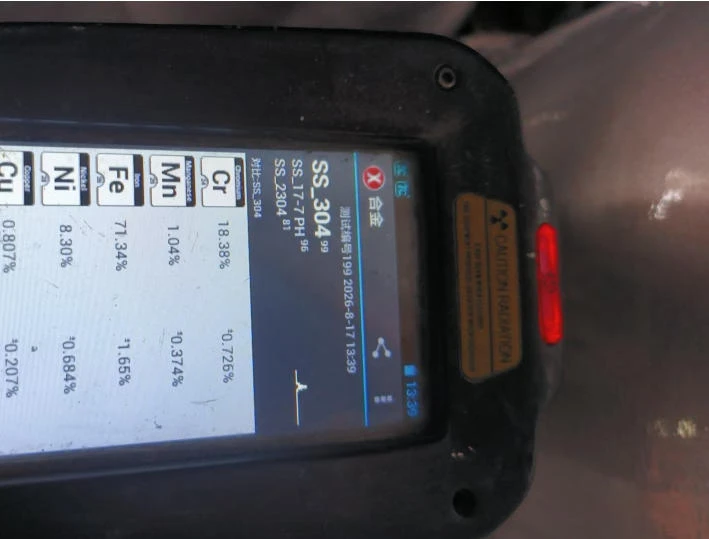
1) Material and Chemical Composition: Verification of alloying elements via handheld PMI (Positive Material Identification) spectral analysis.
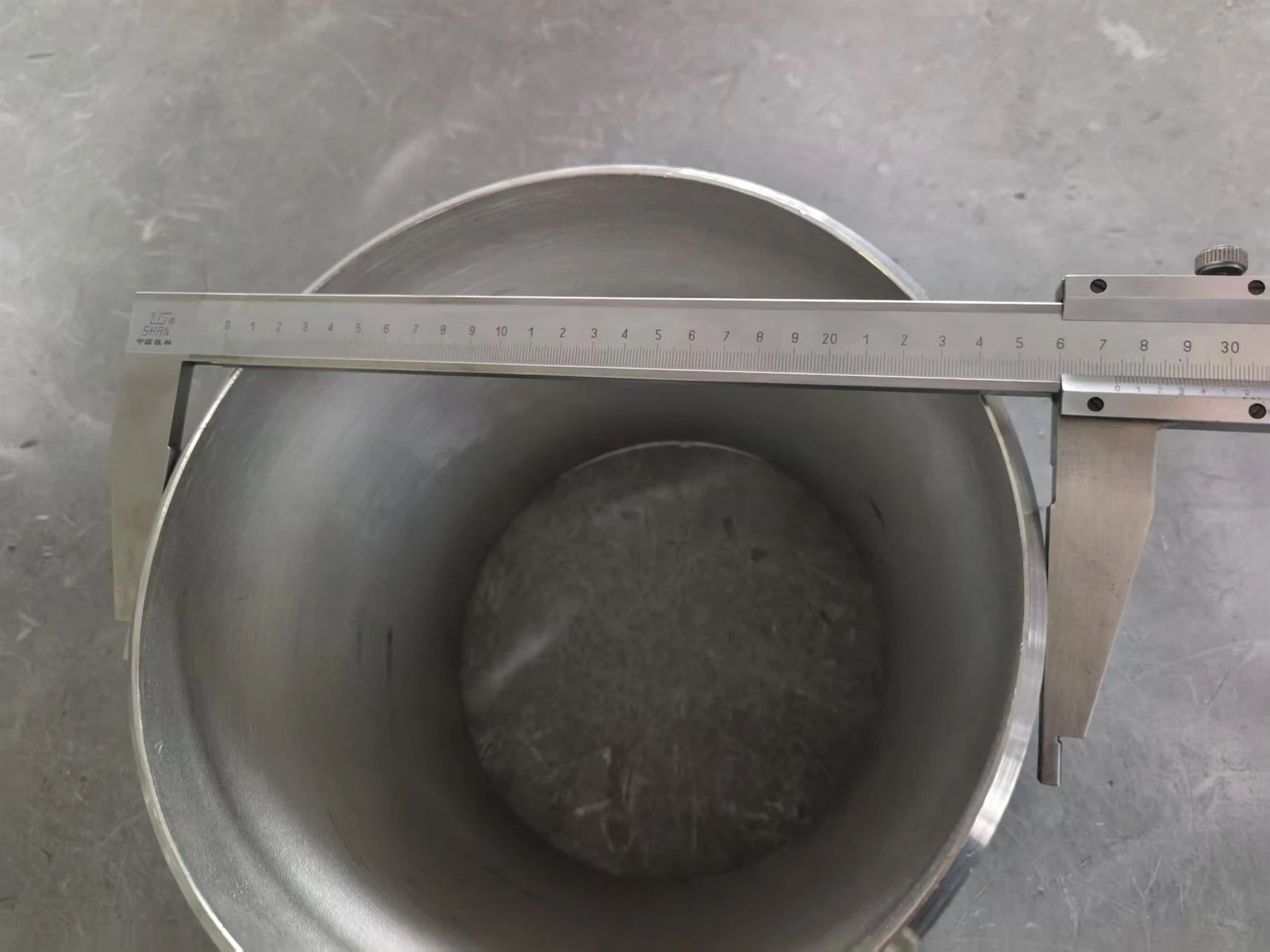
2) Geometric Dimensions and Tolerances: Strict verification of large-end and small-end outside diameters.
3) Non-Destructive Testing (NDT): 100% Ultrasonic Testing (UT) or Liquid Penetrant Testing (PT) to ensure the absence of internal cracks or laminations.
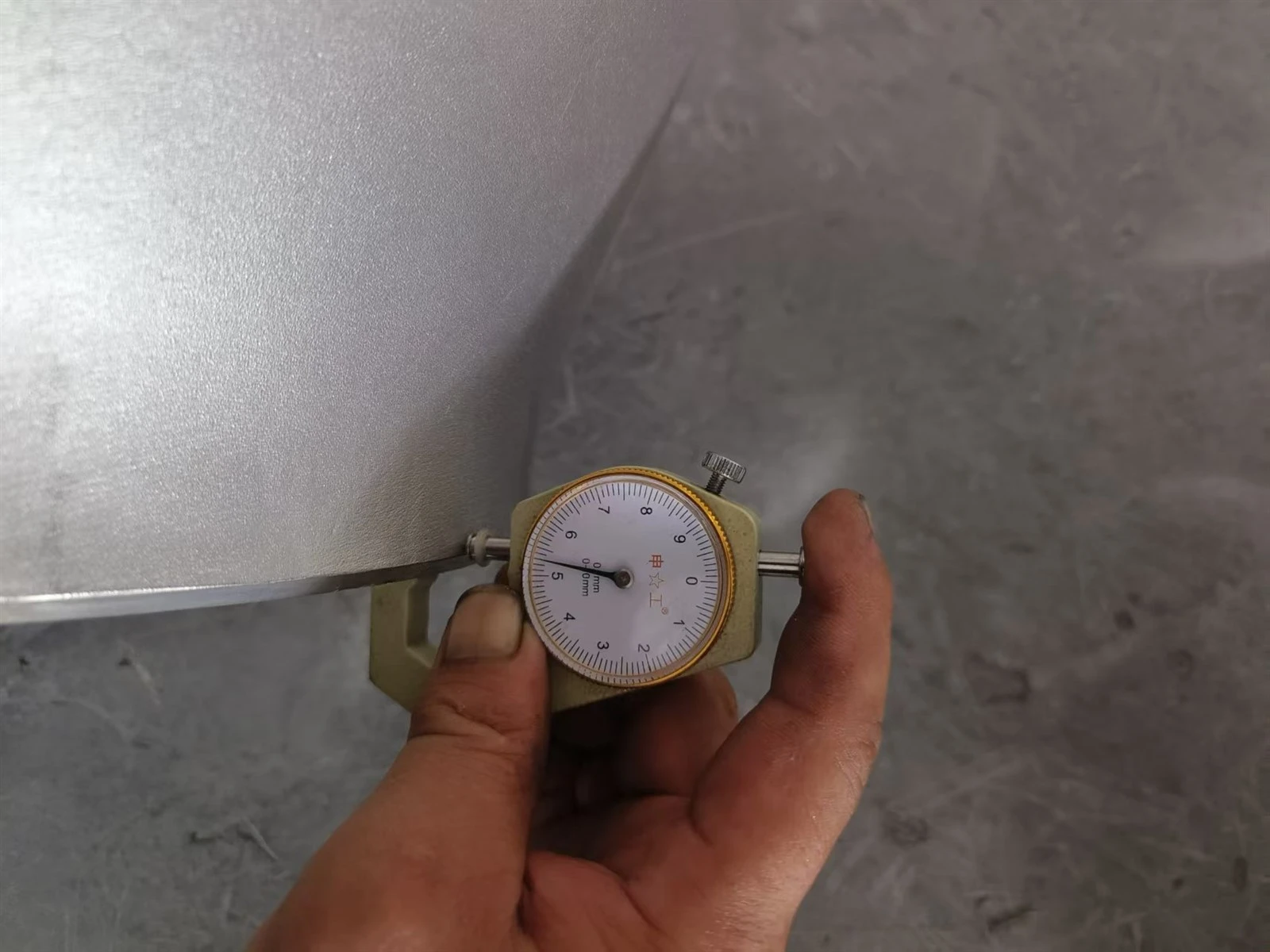
4) Wall Thickness Uniformity: Spot checks using ultrasonic thickness gauges to ensure deviations fall within the tolerances permitted by ASME B16.9.
Packaging and Delivery
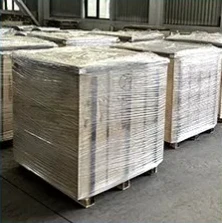
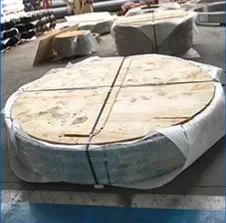
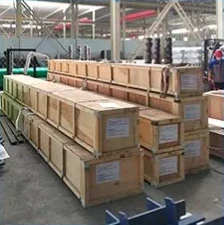
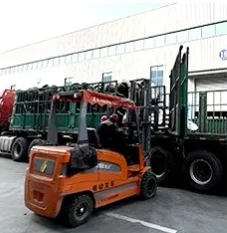
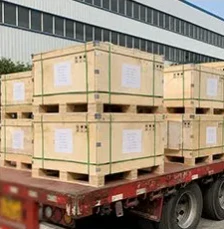
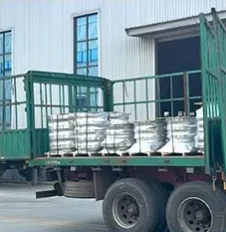
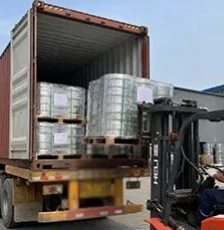
GNEE uses export-standard packaging for stainless steel butt weld reducers. Each reducer is protected with plastic caps, wrapped with waterproof material, and packed in strong plywood cases or steel frames according to shipping requirements. Product markings include size, schedule, material grade, heat number, and standard, ensuring easy identification after arrival. Standard stock items can be shipped within 7–15 days, while customized WP304 seamless reducers normally require 15–30 days depending on quantity and manufacturing requirements.
FAQ
Q: Why are concentric reducers preferred for vertical piping?
A: In vertical lines, concentric reducers ensure symmetrical fluid distribution along the centerline, thereby avoiding uneven flow velocity profiles and minimizing vibration.
Q: How does the "reduction angle" affect fluid flow?
A: The standard included angle for concentric reducers is typically between 15° and 30°. A shallower angle results in less turbulence and lower energy loss (pressure drop).
Q: What characterizes the pressure drop (ΔP) across a concentric reducer?
A: The pressure drop consists of two components: permanent pressure loss (caused by friction and turbulence) and the conversion of velocity head (Bernoulli's principle). During contraction, static pressure decreases as flow velocity increases; the reverse occurs during expansion, where flow separation is also more likely to happen.
Q: Can concentric reducers cause cavitation?
A: Yes. If a concentric reducer is installed immediately upstream of a pump suction inlet or a valve, the increase in flow velocity (during contraction) can cause local pressure to drop below the fluid's vapor pressure, generating bubbles (cavitation) that erode stainless steel surfaces.
Q: Why are concentric reducers generally avoided in horizontal piping?
A: In horizontal piping, concentric reducers can cause gas (in gas systems) to accumulate at the top, or sediment/liquid (in liquid systems) to pool at the bottom. This can lead to flow blockages, gas pockets, or "slug flow"; therefore, eccentric reducers are usually preferred for horizontal piping.