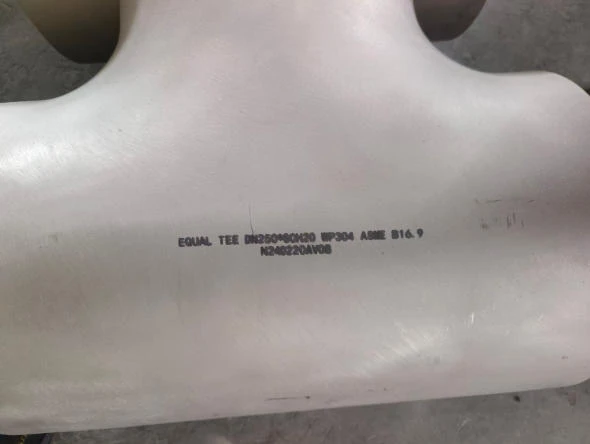
ASTM A403 WP304 ASME B16.9 Equal Tee
Leave a message
If you are looking for an ASTM A403 WP304 Equal Tee for industrial piping systems, GNEE supplies stainless steel butt weld tees designed for reliable pipe branching connections. Manufactured from ASTM A403 WP304 stainless steel, these equal tees provide consistent dimensions, good weldability, corrosion resistance, and compatibility with ASME B16.9 piping standards for applications including chemical processing, food processing, water treatment, and industrial equipment.
What is an ASTM A403 WP304 ASME B16.9 Equal Tee?
ASTM A403 WP304 ASME B16.9 Equal Tee is a stainless steel butt-weld pipe fitting used to connect three pipes of the same diameter. It features a T-shaped design with a branch outlet positioned at a 90-degree angle to the main run, enabling the splitting or merging of fluid flow within the piping system.
This fitting is manufactured in accordance with the following standards:
ASTM A403 WP304: Material specification for wrought austenitic stainless steel piping fittings.
ASME B16.9: Dimensional standard for factory-made wrought butt-welding fittings.
Equal Tee: The diameter of the main run is identical to the diameter of the branch.
ASME B16.9 Equal Tee Technical Specification
| Property | Description / Requirement |
| Standard (Dimensional) | ASME B16.9 |
| Material Standard | ASTM A403 (Standard Specification for Wrought Austenitic Stainless Steel Piping Fittings) |
| Material Grade | WP304 / 304L (Dual Grade is recommended) |
| Fitting Type | Equal Tee (Straight Tee) |
| Connection Type | Butt-Weld (BW) |
| Size Range | NPS 1/2" to 48" (DN15 to DN1200) |
| Wall Thickness | Per ASME B36.19 (e.g., Sch 10S, 40S, 80S) or ASME B36.10 |
| Manufacturing Method | Seamless or Welded (as per ASTM A403) |
| End Preparation | Beveled end (per ASME B16.25) |
| Heat Treatment | Solution Annealed (Required by ASTM A403) |
| Surface Finish | Pickled and Passivated |
| Marking | MSS SP-25 (Manufacturer, Size, Sch, Grade, Heat No.) |
| Inspection | Visual, Dimensional, PMI, Hydrostatic Test (as per code) |
| Certification | Mill Test Certificate (MTC) EN 10204 3.1 |
ASME B16.9 Equal Tee Dimensions

| Nominal Pipe Size (NPS) | Outside Diameter at Bevel D (mm) | Center-to-End Run C (mm) | Center-to-End Outlet M (mm) |
|---|---|---|---|
| 1/2 | 21.3 | 25.4 | 25.4 |
| 3/4 | 26.7 | 28.4 | 28.4 |
| 1 | 33.4 | 38.1 | 38.1 |
| 1-1/4 | 42.2 | 47.8 | 47.8 |
| 1-1/2 | 48.3 | 57.2 | 57.2 |
| 2 | 60.3 | 63.5 | 63.5 |
| 2-1/2 | 73.0 | 76.2 | 76.2 |
| 3 | 88.9 | 85.9 | 85.9 |
| 3-1/2 | 101.6 | 95.2 | 95.2 |
| 4 | 114.3 | 104.6 | 104.6 |
| 5 | 141.3 | 124.0 | 124.0 |
| 6 | 168.3 | 142.7 | 142.7 |
| 8 | 219.1 | 177.8 | 177.8 |
| 10 | 273.0 | 215.9 | 215.9 |
| 12 | 323.8 | 254.0 | 254.0 |
| 14 | 355.6 | 279.4 | 279.4 |
| 16 | 406.4 | 304.8 | 304.8 |
| 18 | 457.0 | 342.9 | 342.9 |
| 20 | 508.0 | 381.0 | 381.0 |
| 22 | 558.0 | 419.1 | 419.1 |
| 24 | 610.0 | 431.8 | 431.8 |
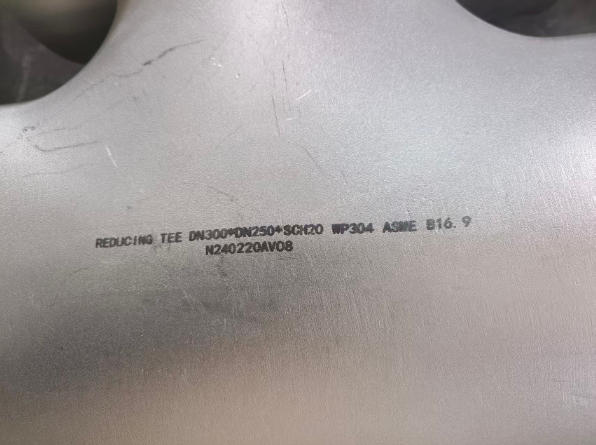
Equal Tee vs Reducing Tee
| Feature | Equal Tee | Reducing Tee |
|---|---|---|
| Branch Size | Same as main pipe | Smaller branch |
| Flow Distribution | Equal diameter connection | Different diameter connection |
| Installation | Simple piping layout | Used for flow reduction |
| Example | DN100 × DN100 × DN100 | DN100 × DN100 × DN50 |
Applications of WP304 Stainless Steel Equal Tee
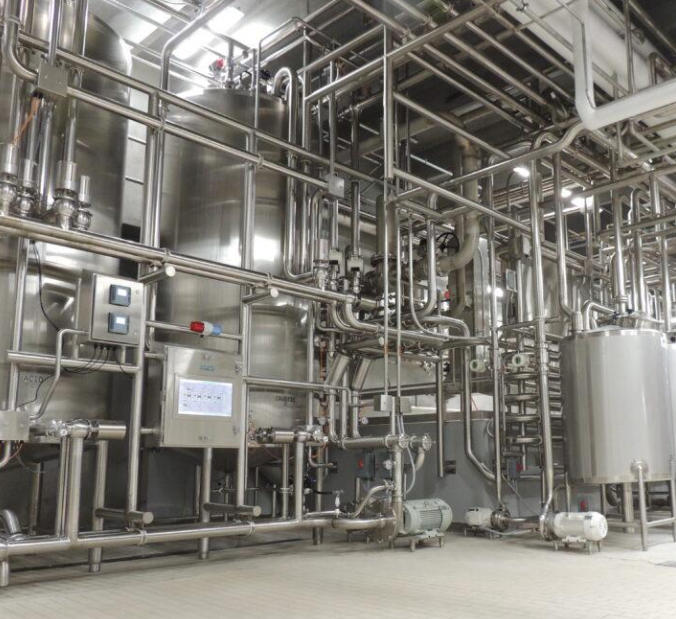
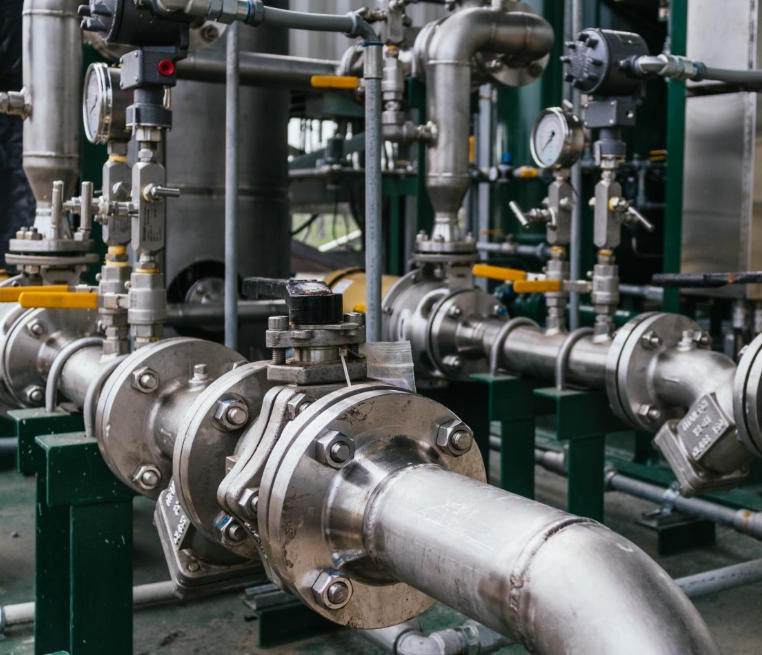
Chemical Processing: Used in various chemical and process piping systems requiring general corrosion resistance.
Food and Beverage Equipment: Used in food processing piping.
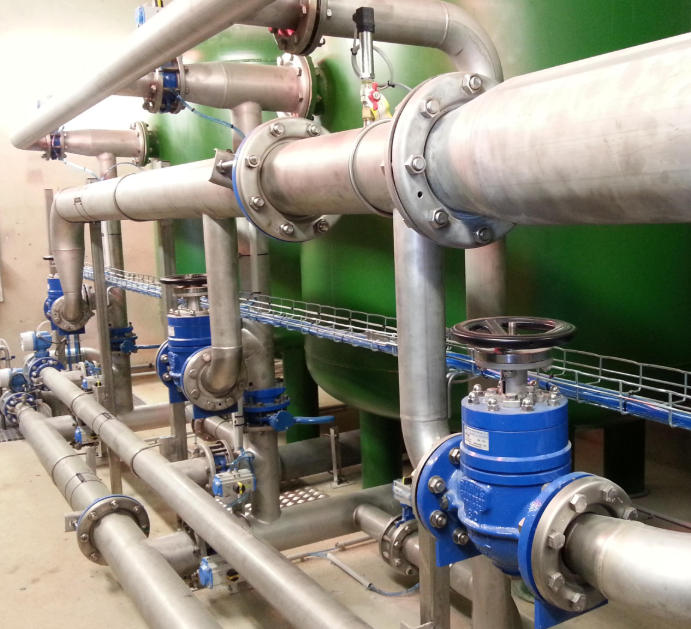
Water Treatment Systems: Commonly used in filtration systems, pump assemblies, water distribution networks, and utility piping.
Industrial Manufacturing: Used for branch connections in industrial piping networks, equipment skids, and mechanical systems.
ASTM A403 WP304 ASME B16.9 Equal Tee Price
The typical market price for an ASTM A403 Stainless Steel Equal Tee compliant with ASME B16.9 ranges from $1.00 to $45.00+ per piece depending heavily on size, wall thickness (schedule), and order volume.
To provide an accurate quote, could you please specify:
The exact Nominal Pipe Size (NPS) and wall thickness (Schedule/thickness) required?
The required quantity?
And the destination for shipping cost estimation?
ASTM A403 WP304 vs. WP304L:
When selecting materials, WP304L is often preferred due to its lower carbon content, which results in superior weldability and a reduced risk of intergranular corrosion in the heat-affected zone (HAZ). In the petrochemical industry, it is common practice to procure "Dual Grade" WP304/304L material to combine the mechanical strength of WP304 with the corrosion resistance of WP304L.
ASME B16.25 (End Prep):
The design of the weld end bevel is critical. Typically, a simple bevel is used for wall thicknesses of 22 mm or less, whereas thicker walls may require a compound bevel; specific requirements should be verified against the Welding Procedure Specification (WPS).
To avoid procurement discrepancies, it is recommended to include the following clauses in the technical specifications for procurement:
"All pipe fittings must undergo solution annealing."
"Full traceability (heat number) is required."
"Pipe end beveling must comply with the ASME B16.25 standard."
"All pipe fittings must undergo PMI (Positive Material Identification) testing."
Quality Inspection
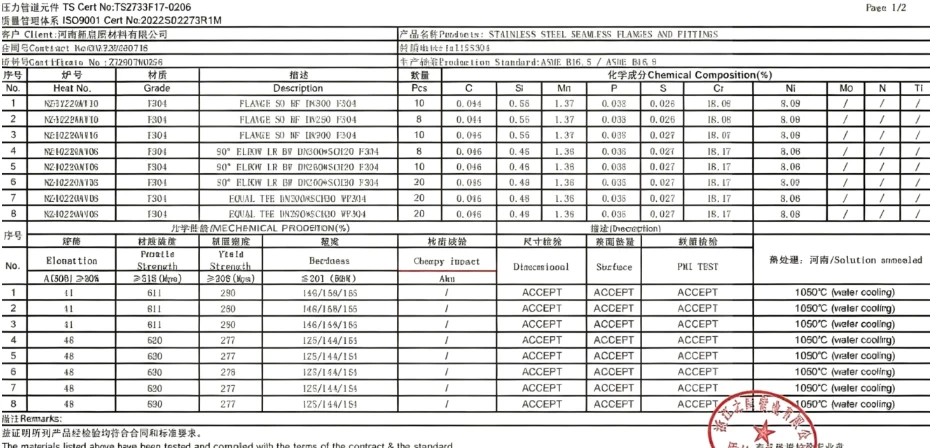
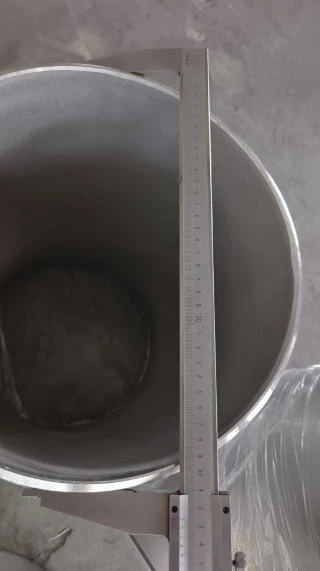
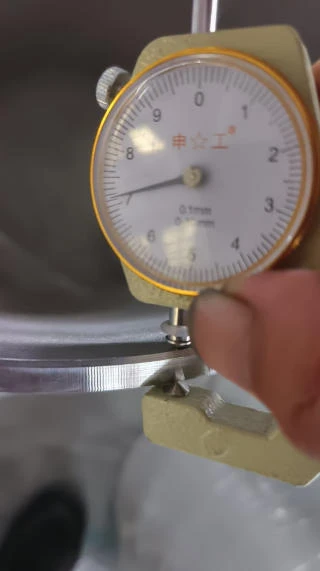
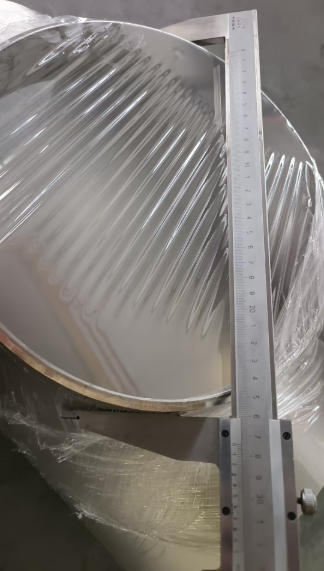
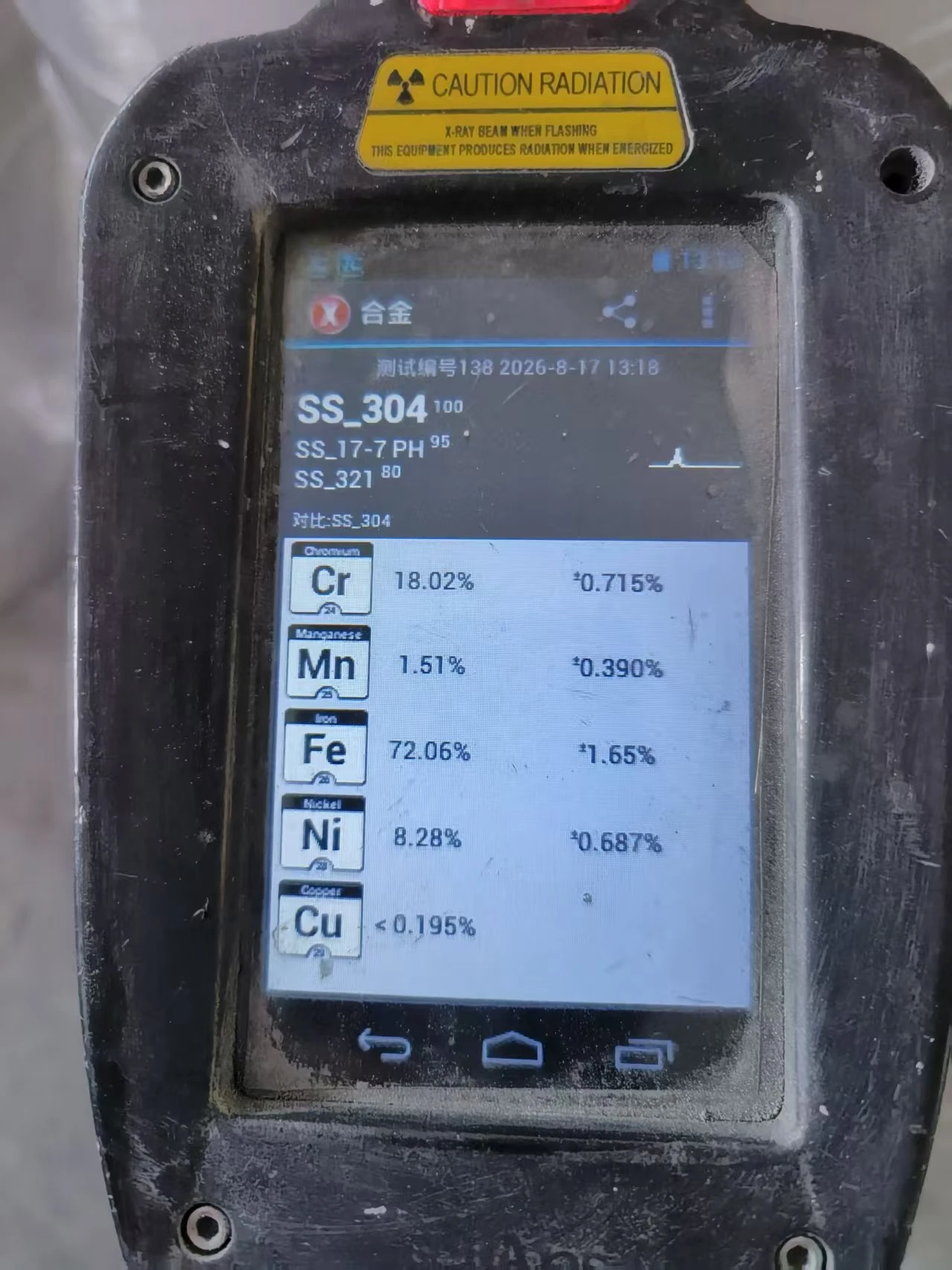
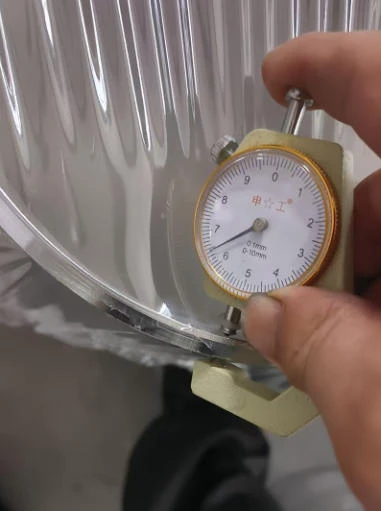
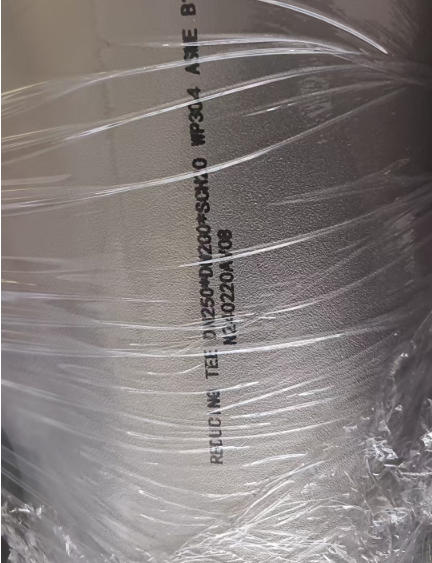
GNEE conducts quality inspections on ASTM A403 WP304 ASME B16.9 equal tees, covering PMI (Positive Material Identification) verification, dimensional measurements, visual inspections, and heat number traceability checks. Inspection criteria include outside diameter, center-to-end dimensions, wall thickness, beveling, surface condition, and marking requirements. EN 10204 3.1 Material Test Certificates (MTC) and dimensional inspection reports are provided for every batch, and third-party inspection services (such as SGS or BV) are available upon customer request.
Delivery Time & Packaging
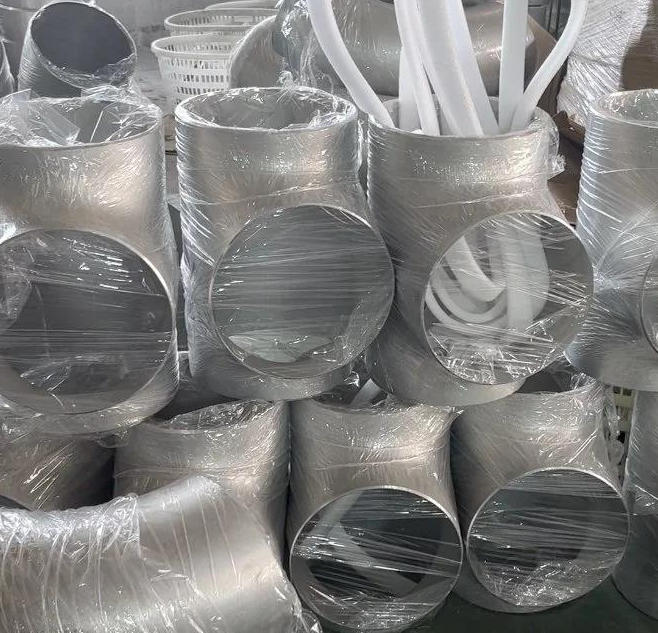
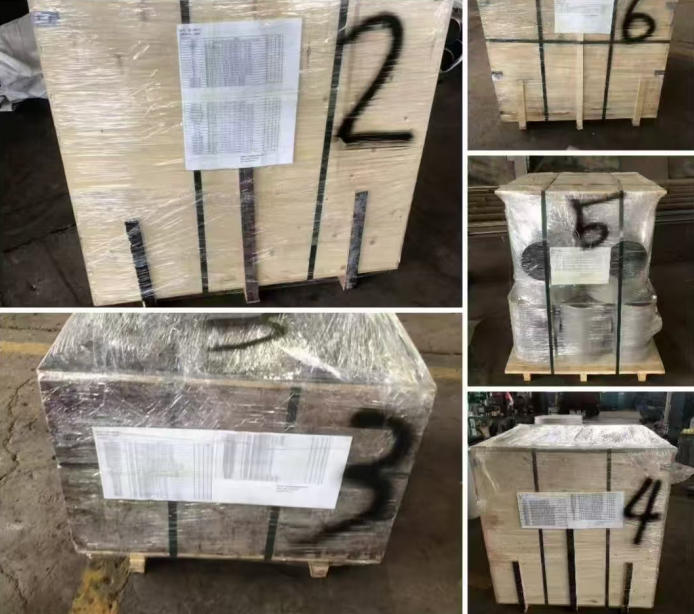
For ASTM A403 WP304 ASME B16.9 Equal Tee orders, GNEE provides flexible delivery solutions based on size, quantity, production requirements, and inspection needs. Standard sizes with available stock can usually be shipped within 7–15 working days, while customized sizes, special wall thicknesses, or third-party inspection orders generally require 20–30 working days. Each stainless steel tee is protected with plastic caps on bevel ends, packed with waterproof material, and loaded in strong wooden cases or pallets. Product labels, heat number identification, packing lists, and export documents are provided to ensure safe international transportation and full traceability.
FAQ
Q: How does an equal tee affect flow within the pipeline?
A: Equal tees are used to split or combine flow streams. Although the cross-sectional area remains constant, the change in flow direction and the turbulence generated at the junction introduce local flow resistance (resulting in a pressure drop).
Q: What is the "K-factor" (resistance coefficient) for an equal tee?
A: The K-factor depends on the flow path (straight-through flow vs. branch flow). Generally, the pressure drop (and K-factor) for flow through the branch is higher than for flow through the run (main header). For equal tees, the K-factor for branch flow typically ranges from 1.0 to 1.5.
Q: Does the internal surface roughness of an ASTM A403 WP304 tee affect flow?
A: Yes. Since WP304 stainless steel fittings are typically pickled and passivated, their surfaces are relatively smooth (Ra ≈ 3.2–6.3 μm). A smoother surface reduces frictional pressure loss, which is critical in high-velocity fluid systems.
Q: Does wall thickness (e.g., Sch 10S vs. Sch 80S) alter flow capacity?
A: Yes. Since Nominal Pipe Size (NPS) refers to the outside diameter, increasing the wall thickness (i.e., using a higher Schedule rating) reduces the inside diameter (ID). Compared to fittings with the same NPS but thinner walls, a smaller ID results in higher flow velocity and increased pressure drop.
Q: Can the welding process affect internal flow within the tee?
A: It certainly can. Improper butt-welding can lead to excessive internal root penetration or "high-low" misalignment, creating flow obstructions. This generates severe turbulence and may lead to localized cavitation or accelerated corrosion of the stainless steel.
Q: Are there alternatives if the pressure drop across an equal tee is too high?
A: Yes. If pressure drop is a critical factor, engineers often use 45° lateral tees or sweeping tees (wye tees) instead of standard 90° equal tees. These designs facilitate smoother fluid transitions, thereby significantly reducing the drag coefficient (K-value) and the level of turbulence.