

How does the hardness of a reducing tube's material affect its durability?
Leave a message

As a seasoned supplier of reducing tubes, I've witnessed firsthand the pivotal role that material hardness plays in determining the durability of these essential components. In the world of industrial piping systems, reducing tubes are used to connect pipes of different diameters, ensuring a smooth and efficient flow of fluids or gases. The durability of these tubes is crucial, as it directly impacts the safety, reliability, and cost-effectiveness of the entire system. In this blog post, I'll delve into the intricate relationship between the hardness of a reducing tube's material and its durability, providing insights that will help you make informed decisions when selecting the right reducing tubes for your applications.
Understanding Material Hardness
Before we explore how material hardness affects the durability of reducing tubes, it's important to understand what hardness is and how it's measured. Hardness is a material's resistance to localized deformation, such as indentation, scratching, or abrasion. In the context of reducing tubes, hardness is a key property that determines the tube's ability to withstand the mechanical stresses and wear and tear it will encounter during its service life.
There are several methods for measuring hardness, each suited to different types of materials and applications. One of the most common methods is the Rockwell hardness test, which measures the depth of penetration of an indenter into the material under a specified load. Another widely used method is the Brinell hardness test, which measures the diameter of the indentation made by a hard steel ball pressed into the material under a known load. The Vickers hardness test is also popular, especially for measuring the hardness of thin materials or small components.
The Impact of Hardness on Durability
The hardness of a reducing tube's material has a profound impact on its durability, influencing its resistance to wear, corrosion, and mechanical failure. Here's a closer look at how hardness affects each of these aspects:
Wear Resistance
Wear is one of the most common causes of failure in reducing tubes, especially in applications where the tubes are exposed to abrasive materials or high-velocity fluids. A harder material is generally more resistant to wear, as it can withstand the abrasive forces without deforming or losing its shape. For example, in a mining operation, reducing tubes used to transport slurries of ore and water are subject to severe abrasion from the solid particles in the slurry. A reducing tube made from a hard, wear-resistant material, such as stainless steel or carbide, will last longer and require less frequent replacement than a tube made from a softer material.
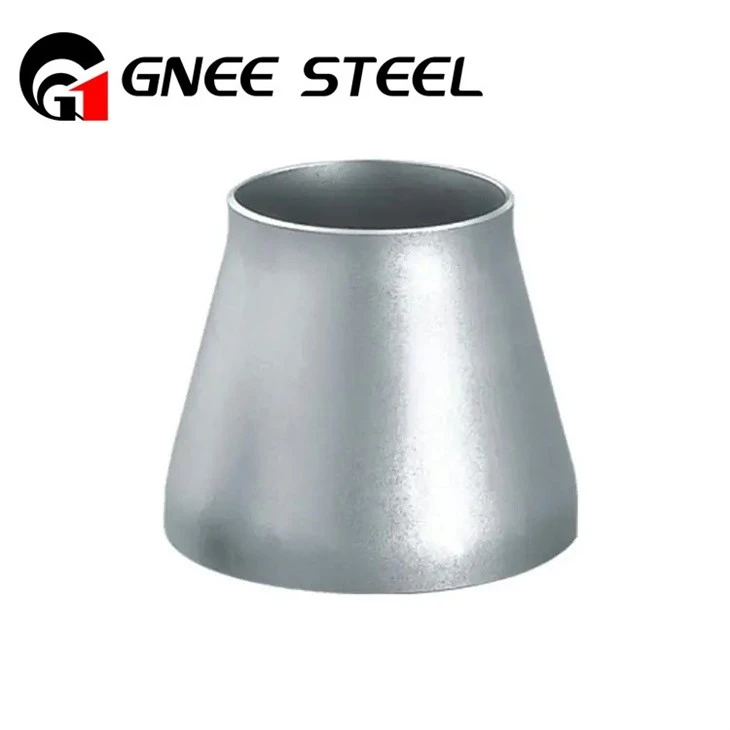
ANSI B16.9 1.4532 1.4534 Concentric Reducer are often used in applications where wear resistance is critical. These reducers are made from high-quality stainless steel alloys that offer excellent hardness and wear resistance, ensuring long service life even in the most demanding environments.
Corrosion Resistance
Corrosion is another major factor that can affect the durability of reducing tubes, especially in applications where the tubes are exposed to corrosive chemicals or environments. A harder material is generally more resistant to corrosion, as it has a lower tendency to react with the corrosive agents and form rust or other corrosion products. For example, in a chemical processing plant, reducing tubes used to transport corrosive acids or alkalis need to be made from a material that can withstand the chemical attack without deteriorating. Stainless steel is a popular choice for these applications due to its high hardness and excellent corrosion resistance.
Stainless Steel Schedule 40 Pipe Fittings are commonly used in applications where corrosion resistance is a concern. These fittings are made from high-grade stainless steel alloys that offer superior corrosion resistance, even in harsh chemical environments. The hardness of the stainless steel helps to protect the tubes from pitting, crevice corrosion, and other forms of corrosion, ensuring long-term reliability and performance.
Mechanical Strength
In addition to wear and corrosion resistance, the hardness of a reducing tube's material also affects its mechanical strength. A harder material is generally stronger and more resistant to deformation, making it better able to withstand the mechanical stresses and pressures it will encounter during its service life. For example, in a high-pressure piping system, reducing tubes need to be able to withstand the internal pressure without bursting or leaking. A tube made from a hard, strong material, such as carbon steel or alloy steel, will be better able to handle the high pressures and maintain its integrity over time.
Fatigue Resistance
Fatigue is another important factor to consider when evaluating the durability of reducing tubes. Fatigue occurs when a material is subjected to repeated cyclic loading, causing it to develop cracks and eventually fail. The hardness of a reducing tube's material can affect its fatigue resistance, with harder materials generally being more resistant to fatigue. This is because harder materials have a higher resistance to crack initiation and propagation, making them less likely to develop fatigue cracks under cyclic loading.
Selecting the Right Hardness for Your Application
When selecting a reducing tube for your application, it's important to choose a material with the appropriate hardness to ensure optimal durability and performance. Here are some factors to consider when making your decision:

Application Requirements
The first step in selecting the right hardness is to understand the specific requirements of your application. Consider the type of fluid or gas that will be flowing through the tube, the operating pressure and temperature, and the presence of any abrasive or corrosive materials. For example, if you're using the reducing tube in a high-pressure steam system, you'll need a material with high hardness and strength to withstand the pressure and temperature. On the other hand, if you're using the tube in a low-pressure water system, a softer material may be sufficient.
Cost
Cost is another important factor to consider when selecting a reducing tube. Harder materials, such as stainless steel and alloy steel, are generally more expensive than softer materials, such as carbon steel. However, the higher cost may be justified by the longer service life and lower maintenance requirements of the harder materials. When evaluating the cost, it's important to consider the total cost of ownership, including the initial purchase price, installation costs, and maintenance and replacement costs over the life of the tube.
Compatibility
It's also important to ensure that the reducing tube's material is compatible with the other components in your piping system. For example, if you're using the tube in a system with other stainless steel components, it's important to choose a reducing tube made from a compatible stainless steel alloy to avoid galvanic corrosion. Similarly, if you're using the tube in a system with rubber gaskets or seals, you'll need to choose a material that won't react with the rubber and cause it to degrade.
Conclusion
In conclusion, the hardness of a reducing tube's material is a critical factor that affects its durability, influencing its resistance to wear, corrosion, mechanical failure, and fatigue. By understanding the relationship between hardness and durability, you can make informed decisions when selecting the right reducing tubes for your applications. Whether you're looking for ANSI B16.9 1.4532 1.4534 Concentric Reducer, Stainless Steel Schedule 40 Pipe Fittings, or Welded And Seamless Stainless 1.4529 Concentric Reducer, we have the expertise and experience to help you find the perfect solution for your needs.
If you're interested in learning more about our reducing tubes or have any questions about material hardness and durability, please don't hesitate to contact us. Our team of experts is always available to provide you with personalized advice and support to help you make the right choice for your application. Let's work together to ensure the long-term success of your piping system.
References
- Callister, W. D., & Rethwisch, D. G. (2012). Materials Science and Engineering: An Introduction. Wiley.
- ASM Handbook, Volume 8: Mechanical Testing and Evaluation. ASM International.
- Pipe Fittings Handbook: A Practical Guide to Pipe Fittings in the Oil, Gas, and Petrochemical Industries. Gulf Professional Publishing.


