

How to choose the right grade of stainless steel foil for my project?
Leave a message

When embarking on a project that requires stainless steel foil, selecting the right grade is crucial for ensuring the success and longevity of your work. As a trusted stainless steel foil supplier, I understand the complexities involved in this decision-making process. In this blog post, I'll share valuable insights to help you choose the most suitable grade of stainless steel foil for your specific project.
Understanding Stainless Steel Foil Grades
Stainless steel foil is available in a variety of grades, each with its unique composition, properties, and applications. The grade of stainless steel is determined by its chemical composition, which includes elements such as chromium, nickel, molybdenum, and carbon. These elements influence the foil's corrosion resistance, strength, formability, and other characteristics.
Key Factors to Consider
1. Corrosion Resistance
One of the primary considerations when choosing a stainless steel foil grade is its corrosion resistance. Different environments pose varying levels of corrosion risk, so it's essential to select a grade that can withstand the specific conditions of your project. For example, if your project involves exposure to harsh chemicals, saltwater, or high humidity, you'll need a grade with excellent corrosion resistance.
- 304 Stainless Steel Foil: This is one of the most commonly used grades of stainless steel foil due to its good corrosion resistance and versatility. It contains 18% chromium and 8% nickel, which provides protection against a wide range of corrosive substances. 304 Stainless Steel Foil is suitable for applications in food processing, architecture, and general manufacturing.
- ASTM 304N Stainless Steel Foil: Similar to 304, but with the addition of nitrogen, which enhances its strength and corrosion resistance. ASTM 304N Stainless Steel Foil is often used in applications where higher strength and better resistance to stress corrosion cracking are required, such as in chemical processing and marine environments.
2. Strength and Durability
The strength and durability of the stainless steel foil are also important factors to consider, especially if your project involves heavy loads, high temperatures, or mechanical stress. Different grades of stainless steel have varying levels of strength, which can be influenced by factors such as the composition, heat treatment, and thickness of the foil.
- 203 443 Stainless Steel Foil: This grade offers good strength and durability, making it suitable for applications that require resistance to wear and tear. 203 443 Stainless Steel Foil is often used in automotive components, appliances, and construction.
3. Formability
Formability refers to the ability of the stainless steel foil to be shaped and formed into different geometries without cracking or breaking. If your project involves complex shapes or requires extensive bending, stretching, or deep drawing, you'll need a grade with good formability.

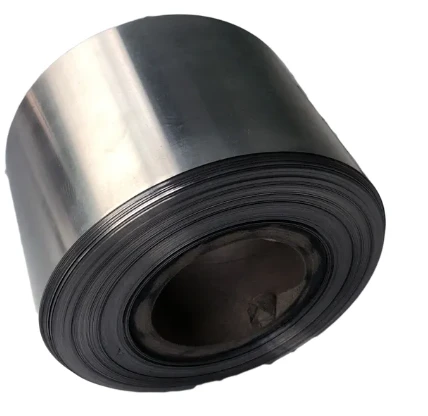
- 304 Stainless Steel Foil: In addition to its corrosion resistance, 304 stainless steel foil also has excellent formability, making it easy to work with in a variety of fabrication processes. It can be bent, rolled, and stamped into different shapes without losing its integrity.
4. Temperature Resistance
If your project involves exposure to high temperatures, you'll need a stainless steel foil grade that can maintain its properties at elevated temperatures. Some grades of stainless steel have better heat resistance than others, which can be important for applications such as furnace linings, exhaust systems, and heat exchangers.
- 304 Stainless Steel Foil: This grade has good heat resistance and can withstand temperatures up to approximately 870°C (1600°F). It is suitable for applications where moderate heat resistance is required.
5. Cost
Cost is always a consideration when choosing a stainless steel foil grade. Different grades of stainless steel have different prices, which can be influenced by factors such as the composition, availability, and market demand. It's important to balance the cost of the foil with its performance and suitability for your project.
Application-Specific Considerations
1. Food and Beverage Industry
In the food and beverage industry, hygiene and corrosion resistance are of utmost importance. Stainless steel foil is commonly used in food processing equipment, storage containers, and packaging due to its non-toxicity, easy cleaning, and resistance to corrosion.
- 304 Stainless Steel Foil: This grade is widely used in the food and beverage industry because it meets the strict hygiene standards and provides excellent corrosion resistance against food acids and other contaminants.
2. Architectural Applications
In architecture, stainless steel foil is used for decorative purposes, as well as for structural and functional applications. It can be used to create modern and stylish facades, interior finishes, and signage.
- 304 Stainless Steel Foil: With its good corrosion resistance and aesthetic appeal, 304 stainless steel foil is a popular choice for architectural applications. It can be finished in a variety of ways, such as brushed, polished, or colored, to achieve the desired look.
3. Electronics Industry
In the electronics industry, stainless steel foil is used for various applications, including shielding, heat dissipation, and printed circuit boards. It offers good electrical conductivity, thermal conductivity, and corrosion resistance.
- 304 Stainless Steel Foil: This grade is commonly used in the electronics industry due to its combination of electrical and thermal properties, as well as its corrosion resistance.
Making the Right Choice
Choosing the right grade of stainless steel foil for your project requires careful consideration of the factors mentioned above. It's important to evaluate your project's specific requirements, such as the environment, load, formability, temperature, and cost, and select a grade that meets those needs.
If you're still unsure which grade of stainless steel foil is best for your project, don't hesitate to contact me. As a stainless steel foil supplier, I have the expertise and experience to help you make an informed decision. I can provide you with samples, technical data, and guidance on the selection process.
Whether you're a small business owner, a large manufacturer, or a DIY enthusiast, I'm here to assist you in finding the perfect stainless steel foil for your project. Contact me today to discuss your requirements and start the procurement process.
References
- ASM Handbook, Volume 13A: Corrosion: Fundamentals, Testing, and Protection
- Stainless Steel World Magazine
- The Nickel Institute


