1.4404 vs. 1.4571 Stainless Steel Grades
Leave a message
Is 1.4404 material equivalent to ASTM standards?
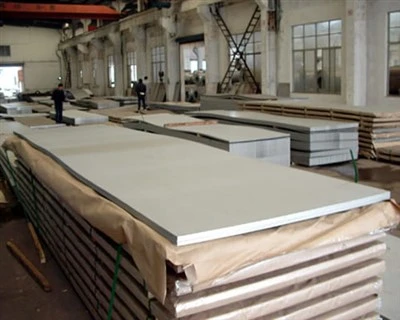
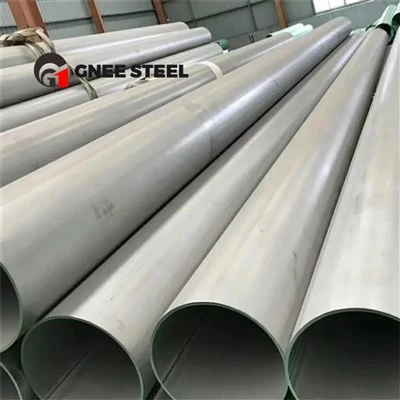
1.4404 steel (also known as ASTM 316/316L and approximately SS2348) is an acid-resistant stainless steel that is easy to machine. Its machinability is significantly improved after processing, making it suitable for producing corrosion-resistant products through machining. It can be processed into various practical product forms, including plates, coils, pipes, bars, and wires.
What is 1.4571 SS?
1.4571 SS is a specific European designation for a type of stainless steel, also known as 316Ti or X6CrNiMoTi17-12-2. It is a titanium-stabilized austenitic stainless steel with excellent corrosion resistance and high-temperature stability. The addition of titanium gives it extremely strong resistance to intergranular corrosion, which is particularly advantageous after welding.
| EN 10027-1 | EN 10027-2 | AISI / ASTM |
|---|---|---|
| X6CrNiMoTi17-12-2 | 1.4571 | 316Ti |
| X2CrNiMo17-12-2 | 1.4404 | 316L |
What is the difference between 1.4404 and 1.4571 materials?
Titanium alloying increases the maximum service temperature of stainless steel. 1.4571 stainless steel has a heat resistance temperature up to 400 degrees Celsius, while 1.4404 stainless steel has a heat resistance temperature between 300 and 350 degrees Celsius.
Chemical Composition (EN Standard)
| Element | 1.4404 (316L) | 1.4571 (316Ti) |
|---|---|---|
| C | ≤ 0.030% | ≤ 0.080% |
| Cr | 16.5–18.5% | 16.5–18.5% |
| Ni | 10.0–13.0% | 10.5–13.5% |
| Mo | 2.00–2.50% | 2.00–2.50% |
| Ti | - | ≥ 5 × C content |
| N | ≤ 0.11% | ≤ 0.10% |
Mechanical Properties
| Property | 1.4404 (316L) | 1.4571 (316Ti) |
|---|---|---|
| Tensile Strength (MPa) | 480–620 | 500–700 |
| Yield Strength 0.2% (MPa) | ≥ 170 | ≥ 200 |
| Elongation (%) | ≥ 40 | ≥ 35 |
| Hardness (HB) | ≤ 217 | ≤ 217 |
Comparison Table of 1.4571 and 1.4404 Stainless Steel
| 1.4571 | 1.4404 | |
| Corrosion Properties | ||
| General corrosion | equal | equal |
| Pitting corrosion | worse | better |
| Stress corrosion cracking | worse | better |
| Intergranular corrosion | worse | better |
| Mechanical Properties | ||
| Heat resistance | better | worse |
| Cold formability | worse | better |
| Impact strength | worse | better |
| Cold compression | worse | better |
| Processing Properties | ||
| Machinability | equal | equal |
| Polishing | worse | better |
| Purity | worse | better |
| Weldability | equal | equal |
Corrosion Properties of 1.4571 and 1.4404 Stainless Steel
The corrosion behavior of 1.4571 and 1.4404 stainless steels is generally very similar. Only a few significant differences exist: titanium-stabilized 1.4571 stainless steel is more susceptible to pitting corrosion. Therefore, this grade of stainless steel has poor stability against stress corrosion cracking (caused by chlorides).
Mechanical Properties of 1.4571 and 1.4404 Stainless Steel
Compared to other mechanical properties (such as cold formability, cold compressibility, and notched impact strength), the addition of titanium leads to a decrease in the properties of 1.4404. This is why 1.4404 is often the material of choice for cryogenic liquid applications.
What is the difference between 1.4401 and 1.4571 stainless steel?
EN 1.4571 stainless steel is made by adding titanium (Ti) to EN 1.4401 stainless steel to improve its resistance to intergranular corrosion. Titanium enhances the corrosion resistance of stainless steel; when the mass fraction of titanium is between 0.03% and 0.1%, the yield strength of the steel increases. Therefore, EN 1.4571 has higher temperature resistance, corrosion resistance, and sensitization resistance than 1.4401.
If you are looking for a corrosion-resistant stainless steel for pressure vessels, chemical processing, heat exchangers, or high-temperature applications, GNEE supplies both EN 1.4404 (316L) and EN 1.4571 (316Ti) with full certifications including EN 10204 3.1/3.2, ISO, TUV, PED, SGS, and complete mill test reports (MTC).
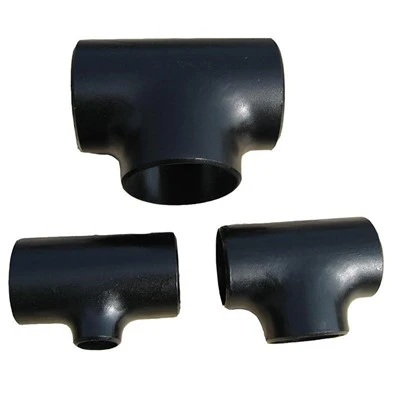
With 18+ years of export experience, we provide plates, coils, tubes, pipes, fittings, and customized fabricated components, ensuring stable quality, competitive factory pricing, and global delivery.