Inox 304 Vs 316: Today's Prices
Leave a message
If you are comparing Inox 304 vs 316 stainless steel prices for an upcoming purchase, the lowest price per kilogram is not always the most economical choice. Grade composition, corrosion resistance, product dimensions, surface finish, order quantity, and delivery terms all affect the final cost.
Inox 304 (AISI 304 / EN 1.4301) is a widely used stainless steel grade for general fabrication, food equipment, architectural components, and industrial applications. Inox 316 (AISI 316 / EN 1.4401) contains molybdenum, which improves its resistance to chloride-related corrosion and makes it more suitable for many marine and chemical-processing environments.
For buyers, the key question is not simply whether 304 or 316 is cheaper, but whether the additional cost of 316 is justified by the service environment and expected maintenance requirements.
What is the price of Inox 304 per kg today?
As of October 27, 2026, the FOB China bulk price for standard Inox 304 stainless steel ranges from USD 2.45–3.15 per kilogram for commercial-grade cold-rolled 2B sheets in 1.0–3.0 mm thickness, based on minimum 5 MT orders. Hot-rolled No.1 industrial plates trade at USD 2.30–2.90/kg, while seamless SCH 40 pipes sit at USD 3.00–3.90/kg. Prices are anchored by stable nickel ore supply in Q4, with polished finishes and custom cut sizes carrying an 8–15% additional premium. Final landed costs vary by freight terms, import duties and total order volume.
What is the price of Inox 316 per kg today?
As of October 27, 2026, Inox 316 stainless steel commands a 38–48% price premium over grade 304, with FOB China bulk prices landing at USD 3.55–4.70 per kilogram for standard cold-rolled 2B sheets (1.0–3.0 mm, 5 MT order minimum). Hot-rolled industrial plates range from USD 3.40–4.35/kg, and seamless SCH 40 pipes trade at USD 4.60–5.95/kg. The price gap is driven by 2–3% molybdenum alloying and tighter global molybdenum supply in Q4 2026. Low-carbon 316L and high-purity variants add a further 6–12% to base pricing.
Inox 304 vs 316 Price Today: Market Reference Table
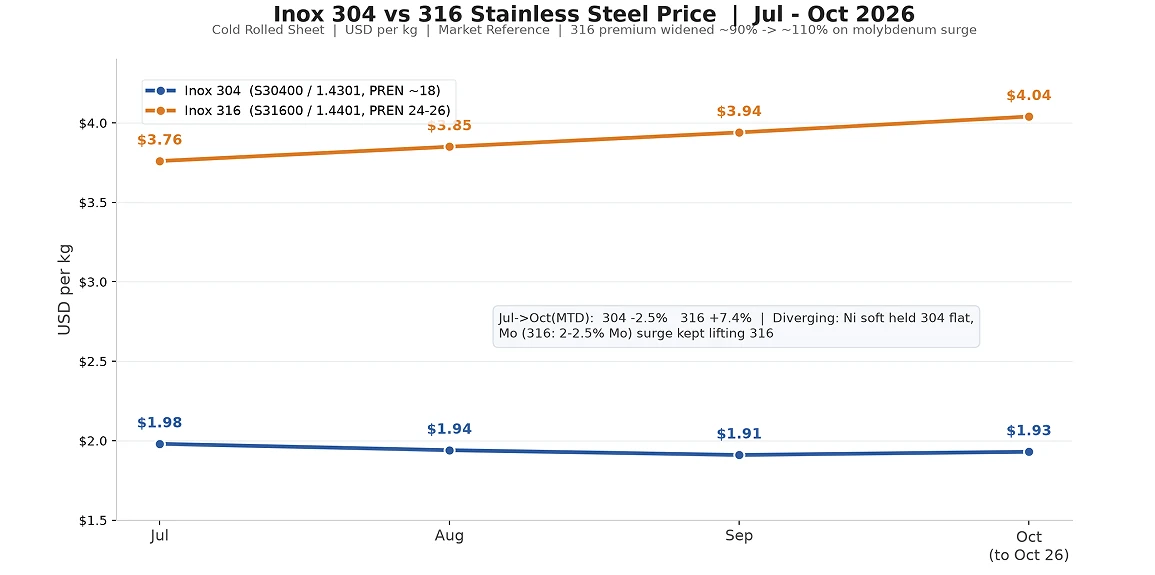
The following figures provide a starting point for evaluating stainless steel purchasing costs. They are indicative market benchmarks, not binding offers for every product form or delivery destination.
| Price reference | Inox 304 | Inox 316 |
|---|---|---|
| market benchmark, Q3 2026 | About $3.14/kg | About $5.76/kg |
| Equivalent price per metric ton | About $3,140/MT | About $5,760/MT |
| Indicative price difference | - | About $2.62/kg |
| Relative premium over 304 | - | About 83% |
Data note: The U.S. benchmarks above are based on published Q3 2026 market assessments, with September figures reported for 304 and 316. They are not verified live quotations for October 27, 2026, and may reflect different market bases and product conditions.
Sources: IMARC 304 price report and IMARC 316 price report.
Why Is Inox 316 More Expensive Than Inox 304?
The main difference is molybdenum. Standard 316 stainless steel typically contains approximately 2–3% molybdenum, while 304 does not intentionally contain this alloying addition.
| Element | AISI 304 | AISI 316 |
|---|---|---|
| Chromium (Cr) | 18–20% | 16–18% |
| Nickel (Ni) | 8–10.5% | 10–14% |
| Molybdenum (Mo) | Not intentionally added | 2–3% |
| Carbon (C), maximum | 0.08% | 0.08% |
| Main advantage | General corrosion resistance | Improved chloride resistance |
The molybdenum addition increases alloy cost and helps 316 resist localized corrosion, particularly pitting and crevice corrosion in chloride-containing environments. Nickel prices, molybdenum prices, alloy surcharges, manufacturing costs, and regional supply conditions can all influence the price difference.
For procurement teams, three factors deserve attention:
Raw materials: Changes in nickel and molybdenum costs can affect mill prices and alloy surcharges.
Product specifications: Thickness, diameter, tolerance, surface finish, and manufacturing route influence processing costs.
Purchasing conditions: Order volume, stock availability, payment terms, delivery time, freight, and import duties can change the final quoted price.
A lower material price should never be evaluated independently of the required grade and service conditions.
Inox 304 vs 316: Which Grade Should You Choose?
The correct grade depends on the actual operating environment rather than price alone.
| Application | Common starting choice | Purchasing consideration |
|---|---|---|
| Kitchen equipment and food preparation | 304 | Often suitable for ordinary food-contact equipment and indoor conditions |
| Architectural panels and indoor fabrication | 304 | Usually offers an economical balance of corrosion resistance and fabrication |
| General industrial tanks | 304 or 316 | Confirm the process fluid, temperature, and cleaning chemicals |
| Coastal equipment and salt-exposed components | 316 | Often offers better resistance to chloride-related localized corrosion |
| Chemical processing equipment | 316 or a higher-alloy grade | Chemical compatibility must be assessed for the actual concentration and temperature |
| Pharmaceutical and hygienic piping | 316L or another specified grade | Consider welding, cleaning procedures, surface finish, and project standards |
| Seawater piping and immersion service | Evaluate duplex or super duplex grades | Standard 316 may be inadequate under severe seawater exposure |
Is 316 always better than 304?
No. Grade 316 provides improved resistance to many chloride-containing environments, but it is not immune to corrosion. Seawater, stagnant chloride solutions, elevated temperatures, and deposits inside crevices can still cause localized attack.
For ordinary indoor equipment, 304 may deliver the required performance at a lower purchase cost. For more aggressive environments, 316 or a more corrosion-resistant alloy may be justified.
Can I replace 316 with 304 to reduce costs?
Replacing 316 stainless steel with 304 can reduce material costs, but the decision depends on the operating environment and corrosion requirements. Grade 304 typically contains 18–20% chromium and 8–10.5% nickel, while 316 contains 16–18% chromium, 10–14% nickel, and 2–3% molybdenum. The molybdenum in 316 improves resistance to chloride-induced pitting and crevice corrosion. For indoor equipment, food-processing facilities, or general fabrication, 304 may be suitable if the specifications permit. For coastal, chemical, or chloride-rich environments, verify corrosion conditions before substitution to avoid premature failure and maintenance costs.
Request a Comparable Inox 304 vs 316 Quote
To obtain a meaningful quotation, prepare a specification that allows suppliers to price both grades on the same basis.
| Required information | Example |
|---|---|
| Material grade | AISI 304 / 316L |
| Product form | Sheet, plate, coil, pipe, tube, bar, or flange |
| Standard | ASTM A240 for applicable plate/sheet; ASTM A312 for applicable pipe |
| Dimensions | Thickness, width, length, OD, wall thickness, or schedule |
| Surface finish | 2B, BA, No. 1, No. 4, or specified finish |
| Quantity | 1,000 kg, 5 MT, or required number of pieces |
| Inspection documents | MTC, EN 10204 3.1, PMI, or agreed third-party inspection |
| Delivery requirements | Destination port, Incoterm, and required delivery date |
Request a quotation from GNEE: Send your grade, product form, dimensions, quantity, applicable standard, inspection requirements, and destination.
Inox 304 / 316 Suppliers and Manufacturers
GNEE supplies stainless steel products in various grades, including 304, 304L, 316, and 316L (subject to specific requirements and current stock availability).
Depending on the product type and the terms agreed upon in the order, buyers may request the following:
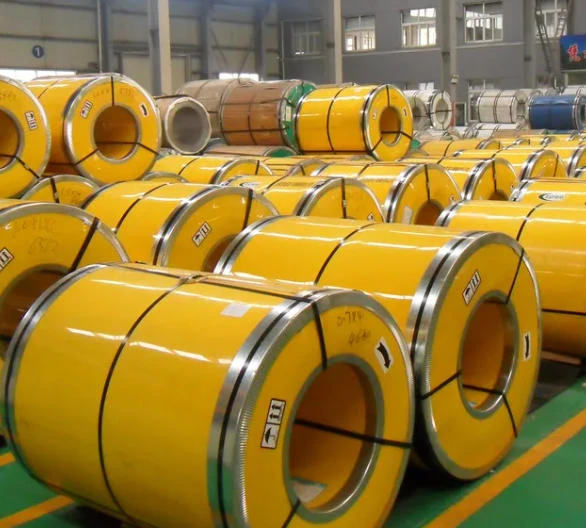
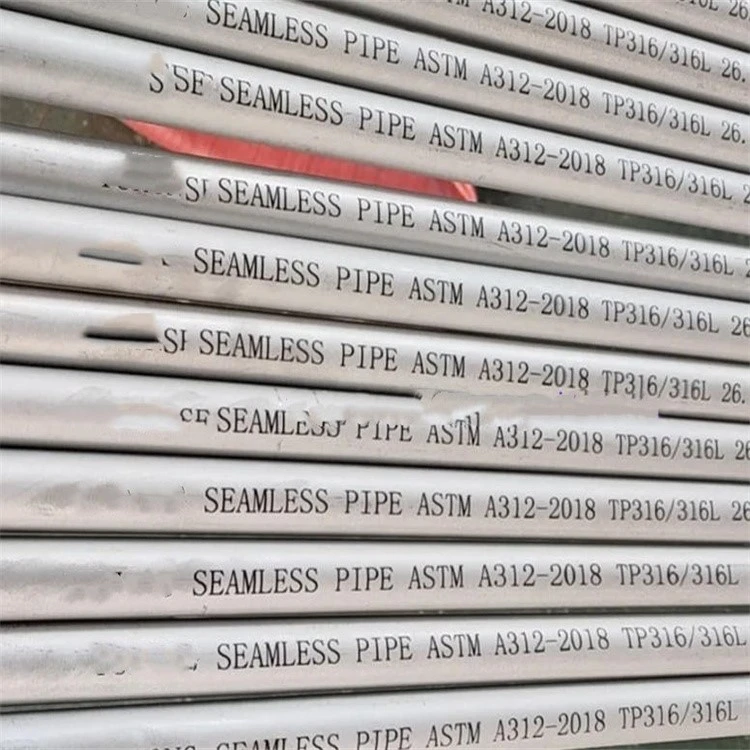
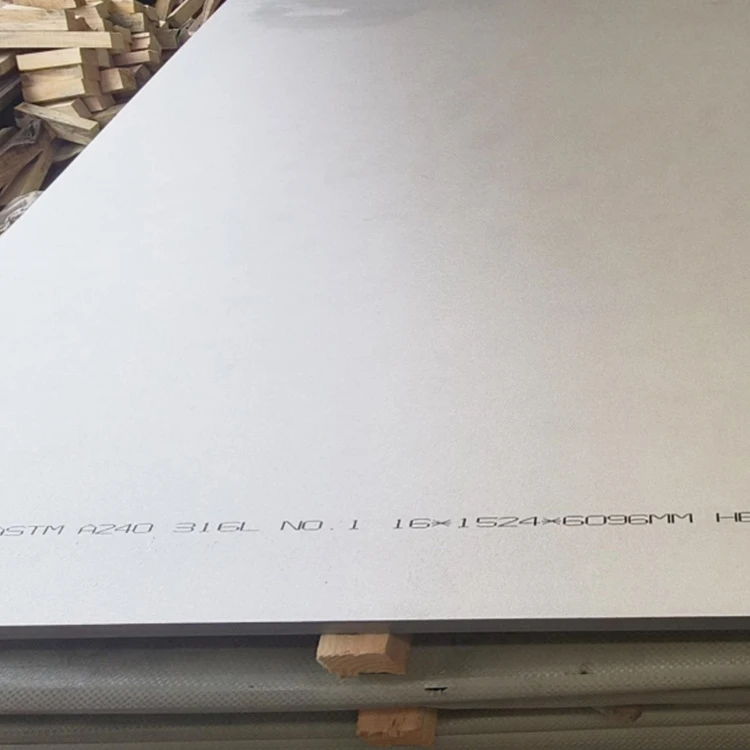
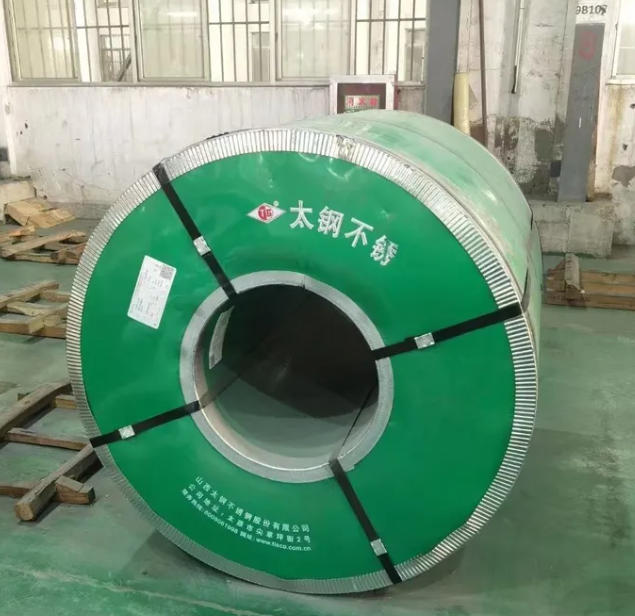
A wide range of stainless steel products, including plates, coils, pipes, bars, pipe fittings, and flanges.
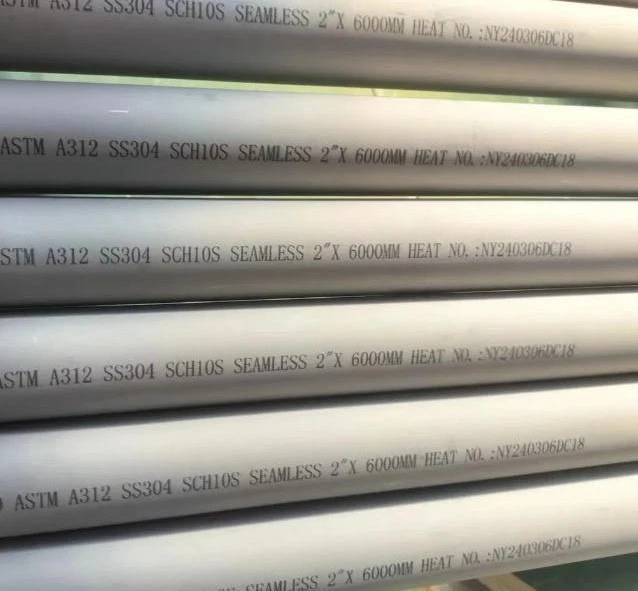
Material Test Certificates (detailing chemical composition and mechanical properties).
Documentation in compliance with the EN 10204 3.1 standard, as well as heat number traceability (where requested and feasible).
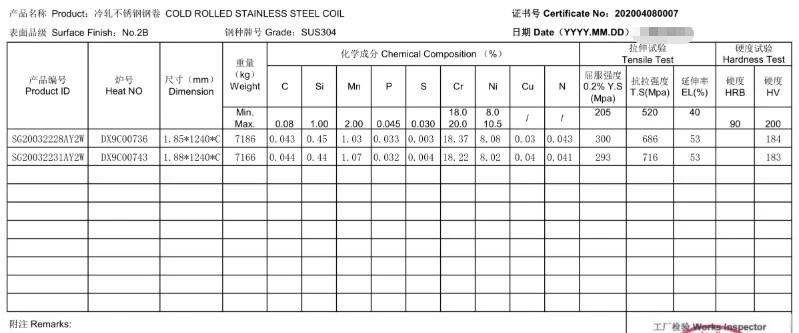
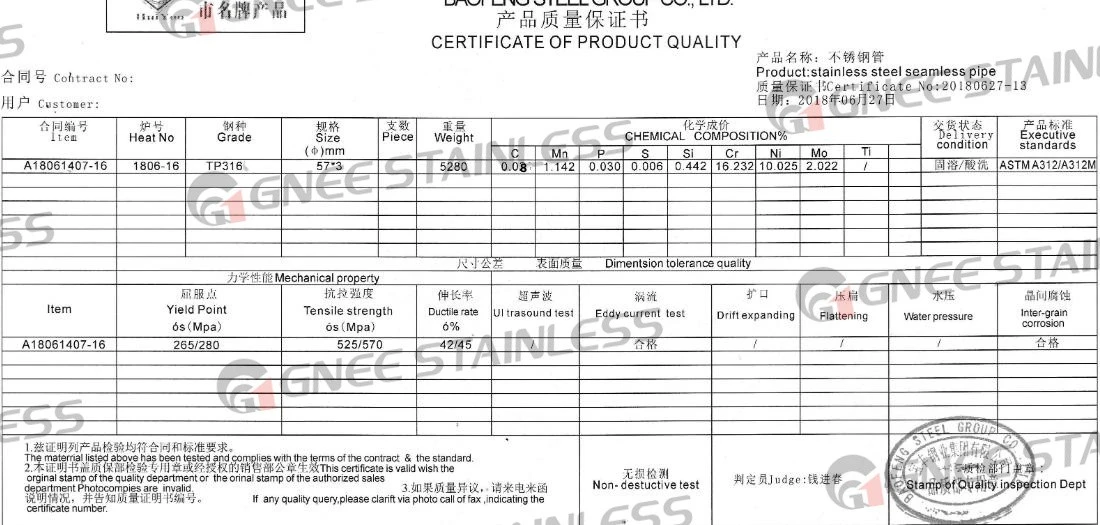
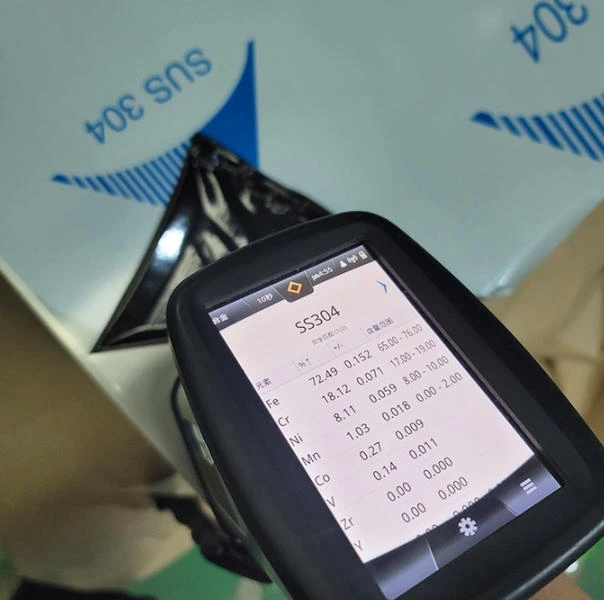
Positive Material Identification (PMI) analysis, along with dimensional inspections or non-destructive testing (NDT) as agreed upon by both parties.
Arrangements for third-party inspections, as well as export-standard packaging in accordance with purchase order requirements.
For buyers comparing 304 and 316, GNEE can quote both grades against the same dimensions, quantity, finish, and delivery basis where applicable.